By Jayden Tran, 2026 CLA Intern
During high school, my business team took staff pictures for our departments. When the time came for my two-person department, I stepped away from the camera to be photographed; as a peer of mine took the shot in my stead, I heard my teacher yell from behind the camera — “Jayden, you need to tame your hair. It’s too poofy — Can you fix it in post?” Ever since, I often look back at photos and question my appearance.
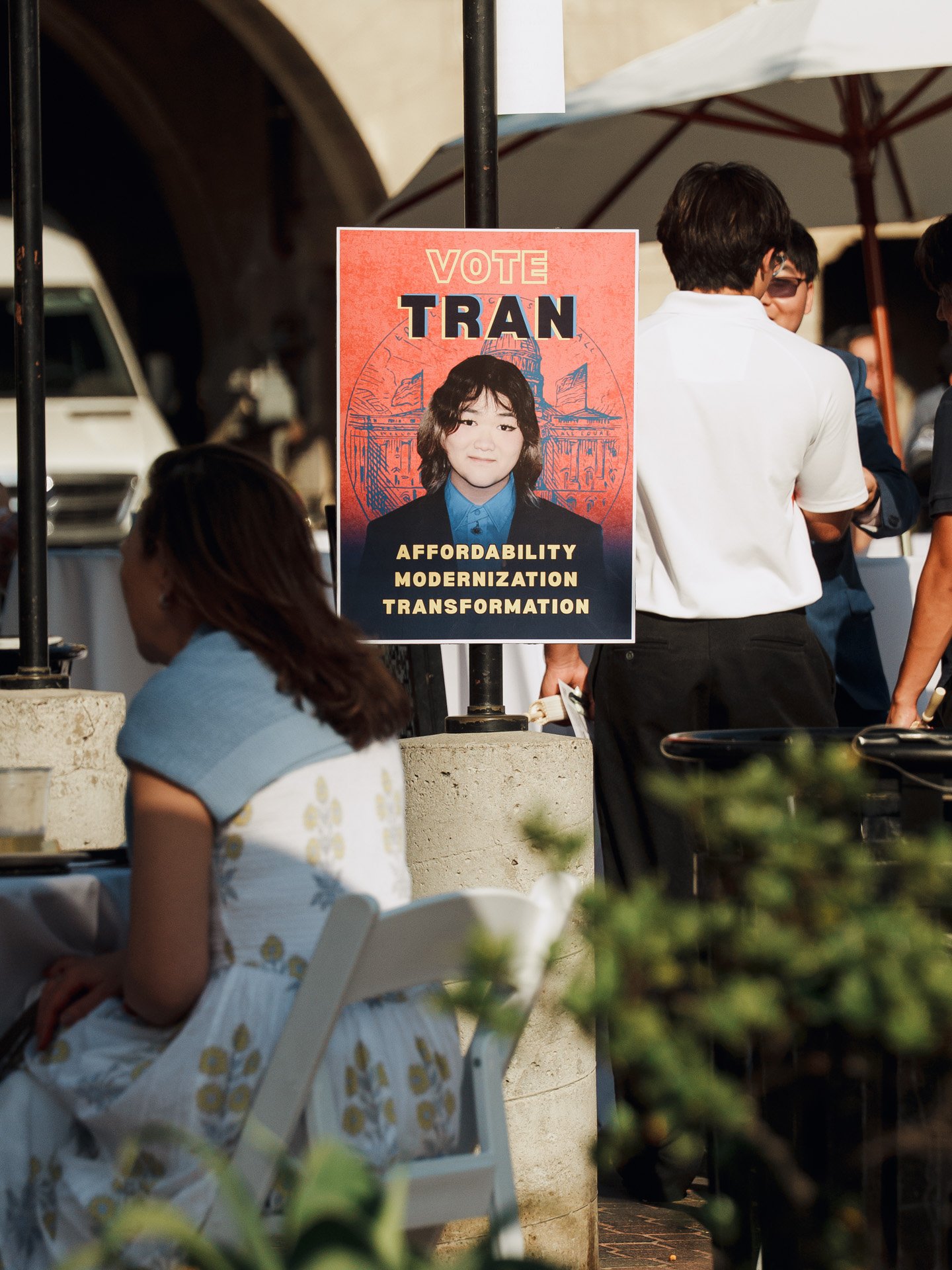
In politics, candidates don’t look like me — no dyed or frizzy hair, dramatic makeup, or vivid outfits. As my professor for “Mass Media/American Politics” alludes, your appearance is the first and last thing a voter will judge you on in your campaign. It’s also likely that politics will continue to be a sport where policy is spoken, but appearance is key. It’s why politicians love photo ops and translucent powder and why “looksmaxxers” on social media are beginning to influence everyday politics (funnily enough, this was the heart of my political science thesis idea).
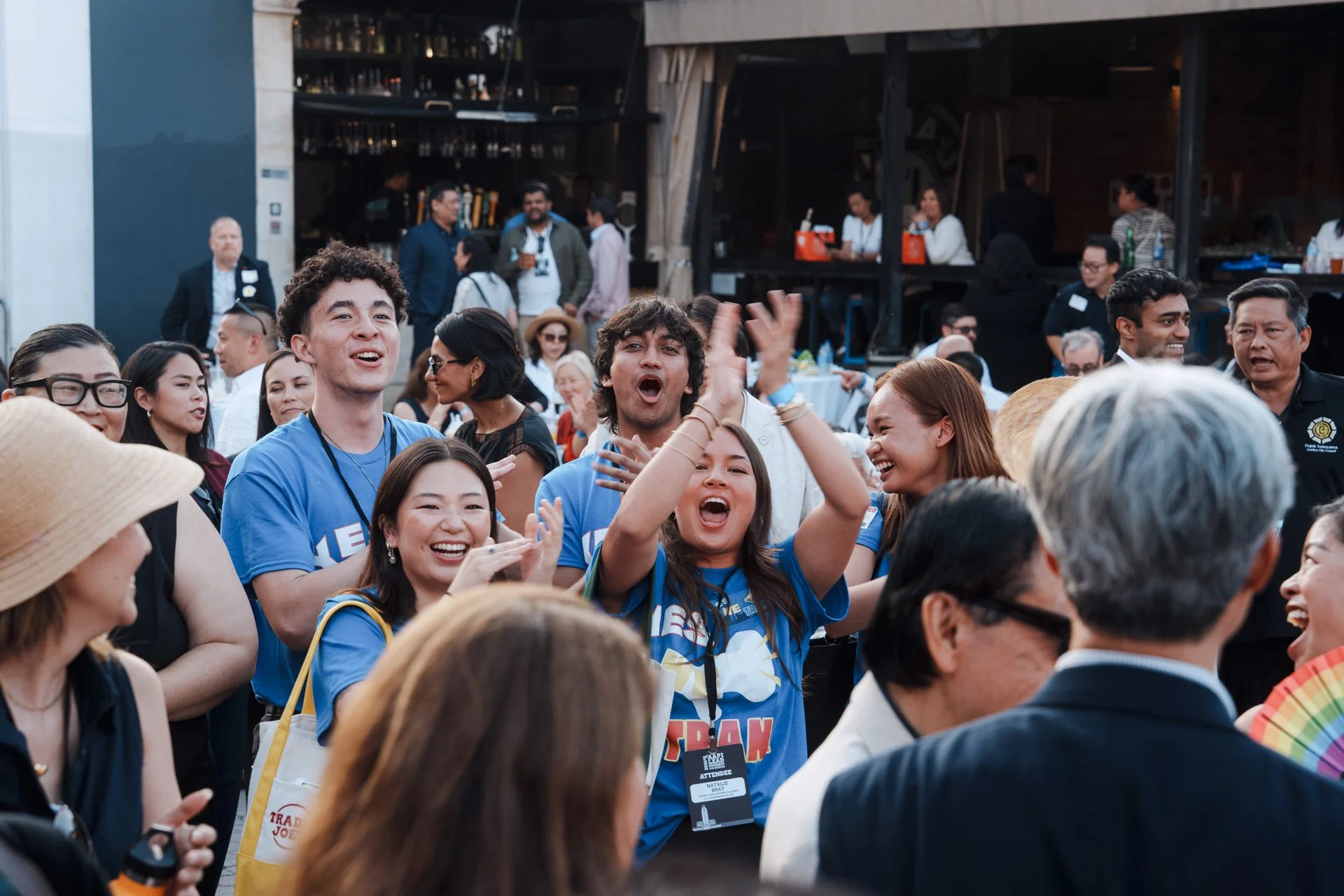
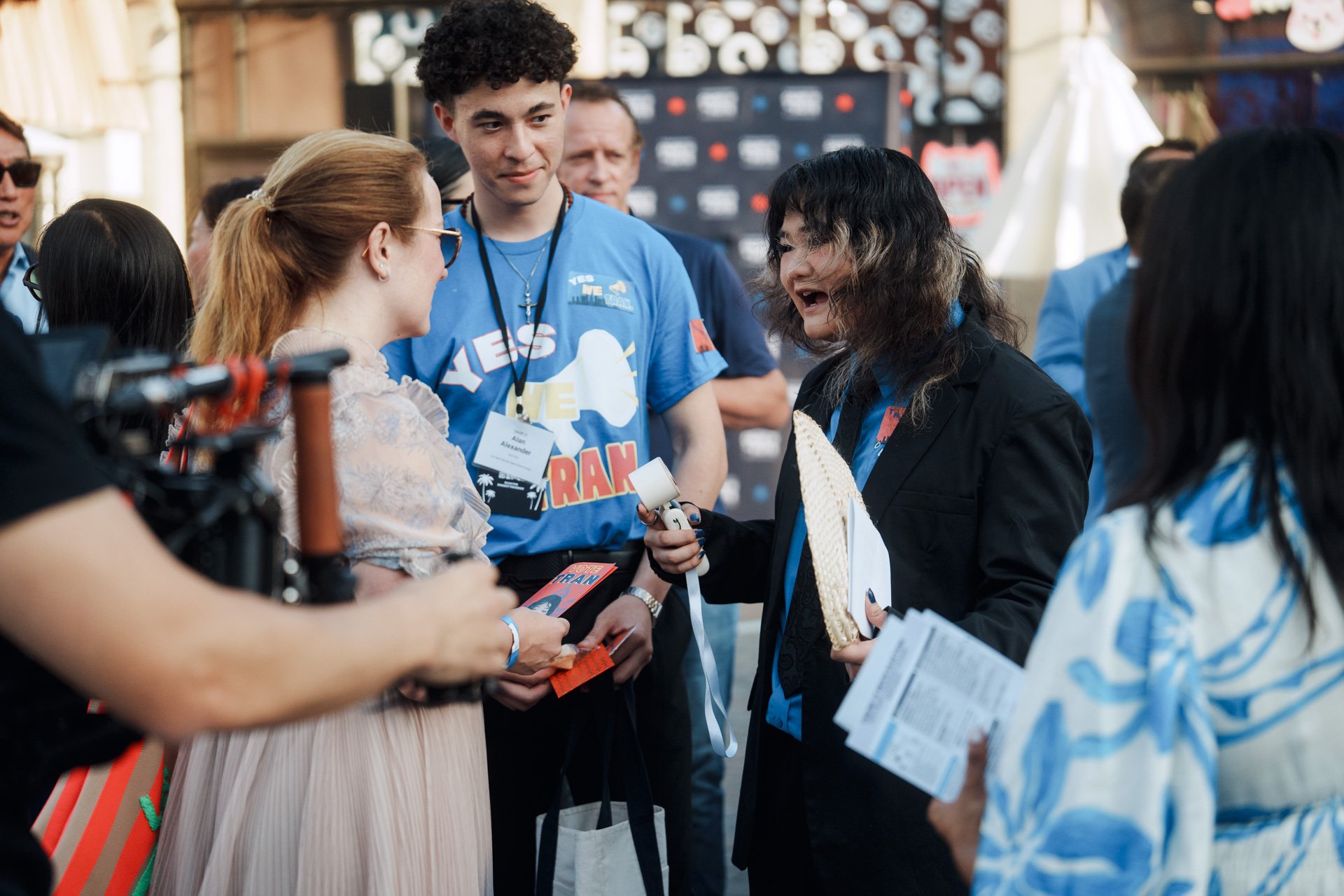
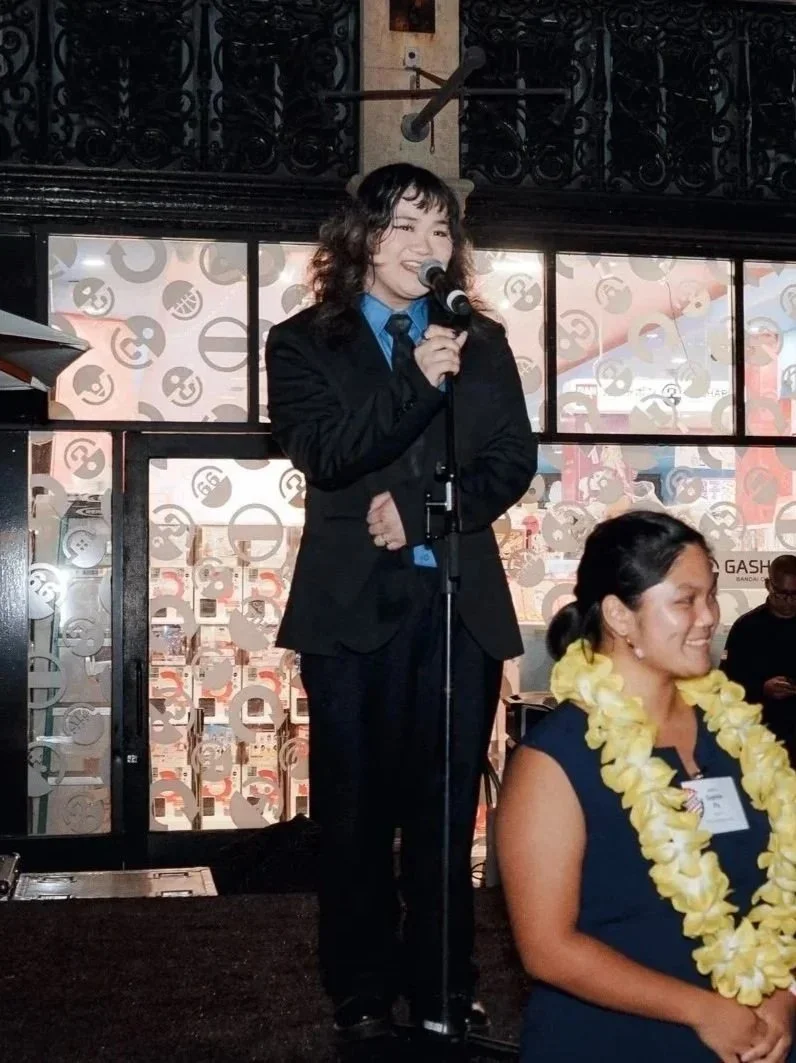
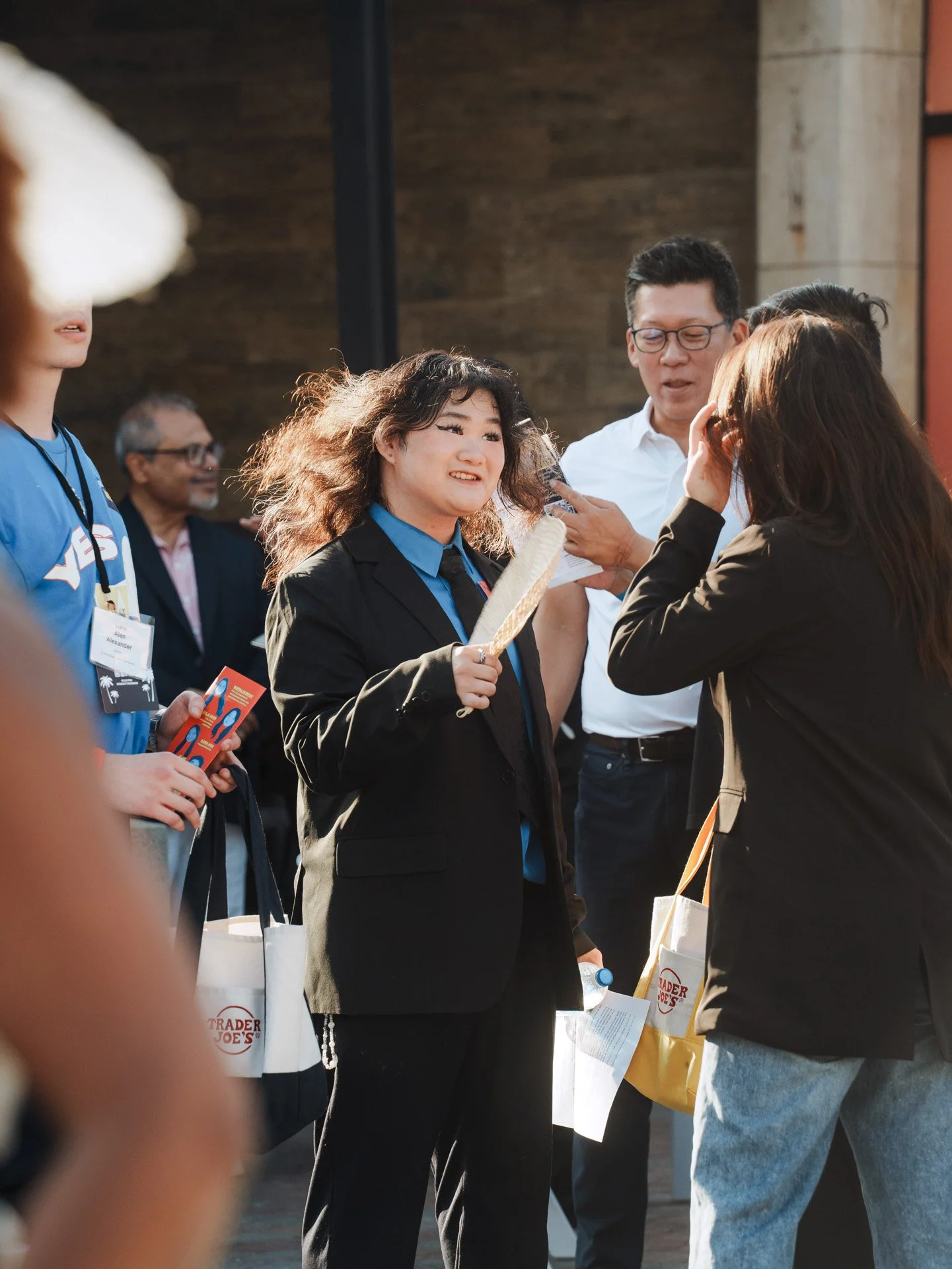
I found myself viewing the photos from CAUSE’s Community Reception with a critical eye. Would we have won the election if my eyes weren’t bloodshot from the stress of a family issue the night before? If my blazer sat on me more comfortably? If my hair wasn’t so… “unruly”? As I gave my concession speech, I thanked voters regardless of who they voted for, making informed decisions to decide the future of LA County. But in the back of my mind, I questioned what I could have edited in post, both on the inside and the outside, to have secured a victory.
But soon, I realized those thoughts were all bygones.
While my appearance could be fixed in post, my policy couldn’t. Neither could my dedication, my commitment to marginalized identities, or my desire to change an issue. Speaking to voters, I put my heart on my sleeve, and so did my team. We discussed issues that directly impacted us, policies that would support our families, and hopes for the futures of our communities.
I resonated with the stories of voters, who told me their own narratives of feeling pushed to the margins of government. Being endorsed by the likes of Hon. Manufou Liaiga-Anoa’i, Mayor Paul Seo, State Senator María Elena Durazo, Lake County Treasurer Holly Kim, and more showed me that people from across the aisle can support a candidate who brings about transformative change, one who comes from and represents the people rather than egotistically deciding things for themselves.
What mattered to me most in that moment was not how I looked — that’s something I could mull over in post; instead, I focused on delivering the very transformative future of politics that I’ve envisioned since I was a kid. I didn’t care about how poofy my hair was or the sweat from the sun beating down on my face. As I spoke on stage, I only cared about taking space in a plaza full of people who would have never expected me to try bringing a seat to the table, showing them that they must pay attention to the communities I belong to: queer; low-income; (formerly)unhoused; disabled; Asian; etc.
I am unabashedly myself, but that doesn’t mean I’m confident. Sometimes, I wonder if conforming to “the standard” is a better decision as I move forward in my career. Throughout the campaign and on election night, comments about my appearance, some well-intentioned and others less so, made it difficult not to wonder if there is a version of myself more suited for politics. But now, when I’m confronted with these hesitancies, I’ll forget the voters commenting on my appearance and remember the many voters I spoke to who told me I’m doing the “good work” for representation, who exclaimed I was a “breath of fresh air”, who said my story was a vision of inspiration for a future politic that includes the marginalized, rather than disenfranchising them further.
In many ways, I knew what I was signing up for when I threw my hat into the ring to represent my group. When I’m behind the camera, I can control the narrative through edits and touch-ups in post; I knew that this wouldn’t be possible once I stepped in front of the camera and took the stage to campaign.
But none of that mattered throughout our reception. My team reassured me, allowing me to focus on the night at hand: Natalie, always making me smile in photos; AJ, commenting on my aura; Kayla, making sure I was eating; Kara, bouncing around, speaking to everyone I missed; Alan, putting me in contact with another random contact he knew.
These moments of camaraderie, of support, of connection are not always memorialized in photos, but they are the memories I’ll remember most as I think back to election night. And those hold more weight than any of the changes I would have made to my campaign after the fact.
Although I still catch myself wondering what I could have edited in post, when I think back to election night, I remember the voters, the stories, and the community long before I remember the photos.