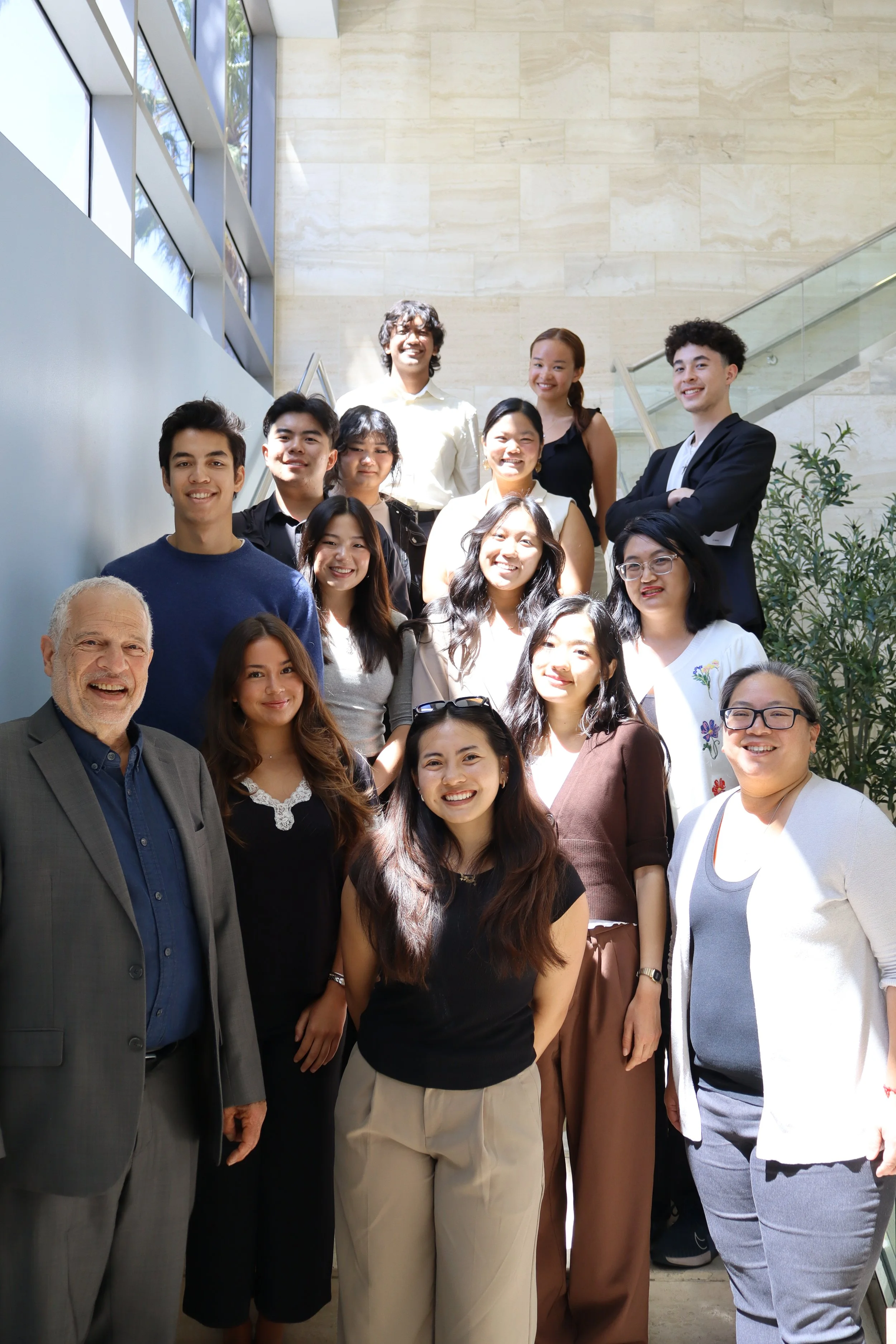
By Matthew Inui, 2026 CLA Intern
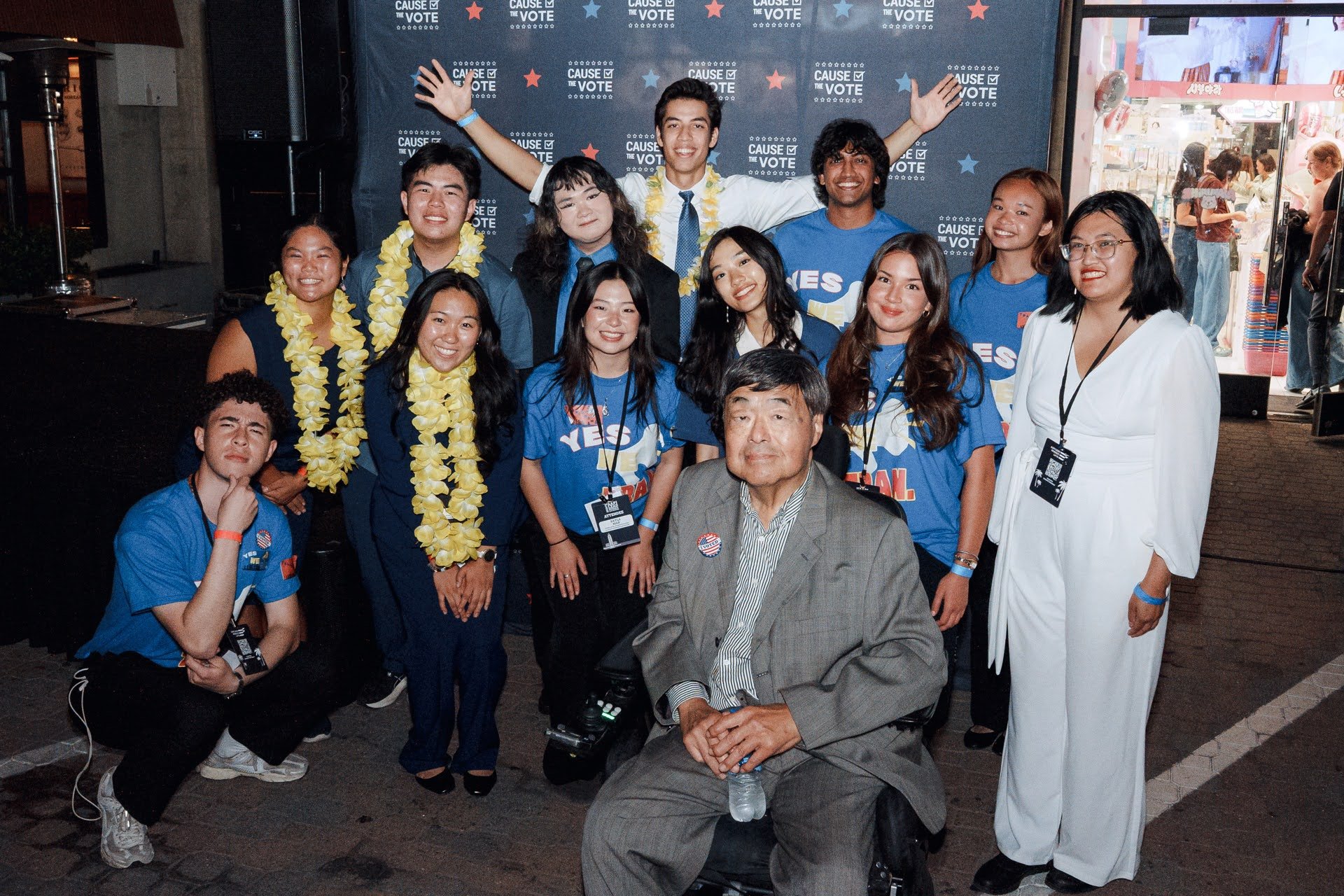
This past Saturday, our cohort had the privilege of hosting a mock election for the new LA County Executive position at the AAPI LEAD Conference, a national gathering of AAPI elected officials—and it was truly exhilarating. From listening to Kamala Harris speak to seeing some of the most powerful people in the country casually eating mac and cheese and brisket, nothing about the event was normal.
Yet, ironically, the realest part of the event was trying to get people to vote in our very not-real election. I was confident in my ability to talk about my candidate’s background and policies, but when it came to convincing people to care enough the mock election to actually cast a ballot, I was at a loss. And while there were a surprising number of people who responded with enthusiasm, there was also a solid group of people who were understandably unenthusiastic about taking time out of their night to participate.
But as I talked to more people and was met with mixed reactions, I realized that this is what real voter engagement work can feel like. Real elections may not be fake, but for so many, they might as well be. They vote for candidates who make ambitious campaign promises, yet years later it can be difficult to see how those decisions have affected their daily lives.
Now that we’re past election night, our internship is shifting toward taking the lessons from our campaigns and writing them into a final report, and what I’m most looking forward to is bringing these perspectives about voter engagement. For many residents, county government remains something of a mystery. County elections can feel a lot like our mock election—you cast a ballot for someone you only recently learned about, and then rarely hear about what they do once they're in office.
Yet as I did my research about the new County Executive position, I became more excited for the 2028 elections because I realized how much of an impact the new position will have. As I'm writing this blog post in the back of a Governance Reform Task Force meeting, members are discussing how the public “does not yet grasp the magnitude of the County elected executive role”, and I couldn’t agree more. If people understood how much county government influences their everyday lives—and how much the County Executive will shape that work—I think many more people would want to be part of choosing who fills that role.
I think the challenge in the coming years won’t just be electing the first County Executive. It'll be helping people realize why this new position matters in the first place. If we can do that, then by 2028 we'll have an opportunity not only to introduce voters to a new office, but to remind them that their really can truly shape the future of Los Angeles County.