By Kara Mak, 2026 CLA Intern
Coming into CAUSE, I expected to learn the “hard” side of government: policy processes, how agencies and institutions interact with one another, and the ins and outs of a congressional office. What I didn’t expect was to come away from Week 1 with such a profound appreciation for the practices and people that uphold our democracy; much less did I expect to find it in system that so many community members have felt failed by and have lost faith in.
One of the first activities we were asked to complete on the first day was defining the term “civic engagement.” After a couple of moments of reflection among our small group, I shared that while I do believe that participating in government and election processes is a significant aspect of civic engagement, that is not all there is to it. For me, the process of staying civically engaged has involved staying up to date with the news, participating in protests, and volunteering. My team agreed with me. We centered our definition around the idea of collective, continuous, and active participation in the processes that contribute to the betterment of our society— intentionally avoiding the explicit mention of “government.” It seemed like the rest of the cohort had the same idea. Nancy [Executive Director of CAUSE] was quick to point out that the fact that none of our teams included the term “government” in our definition, even though we all knew that participating in government processes is central to civics, demonstrates just how deeply intertwined the two concepts are. We should not avoid it or be afraid to acknowledge it. It is only through engaging with government that we can advocate for the betterment of society on an institutional scale.
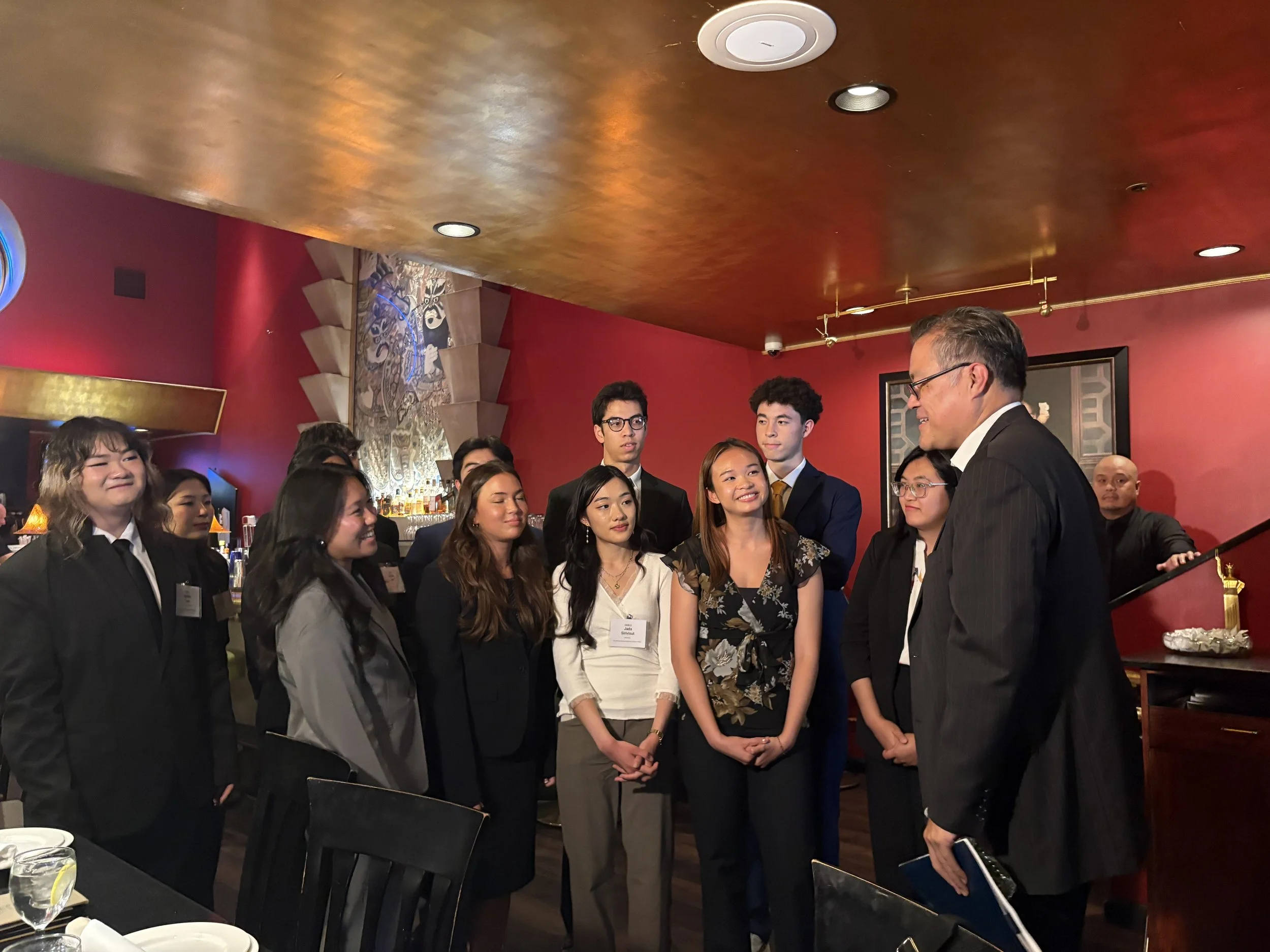
The most memorable discussion I had during the week was with CAUSE Board Chair Charlie Woo. His diverse portfolio of personal experiences wasn’t what surprised me most about our conversation. Rather, it was that he stated he would support any member of the API community in a governmental role, regardless of their party affiliation. I was taken aback, not necessarily because I did not agree, but because I knew that wasn’t a position many members of the API community were willing to take. He reasoned that we must support the few representatives of the API community that we have, because it is those individuals paving the way for even greater API representation to take hold in the future. This stuck with me, but it’s also left me with more questions than answers. How important is descriptive representation to securing the future of the API community? How do the actions of a few members impact how the entire community is perceived? Are they adequately addressing the unique needs of the entire community? If not, how does that manifest in the lives of those underrepresented within our own community and by the people meant to represent them? I am looking forward to exploring these questions and the “softer,” more human side of government further during my time with CAUSE.