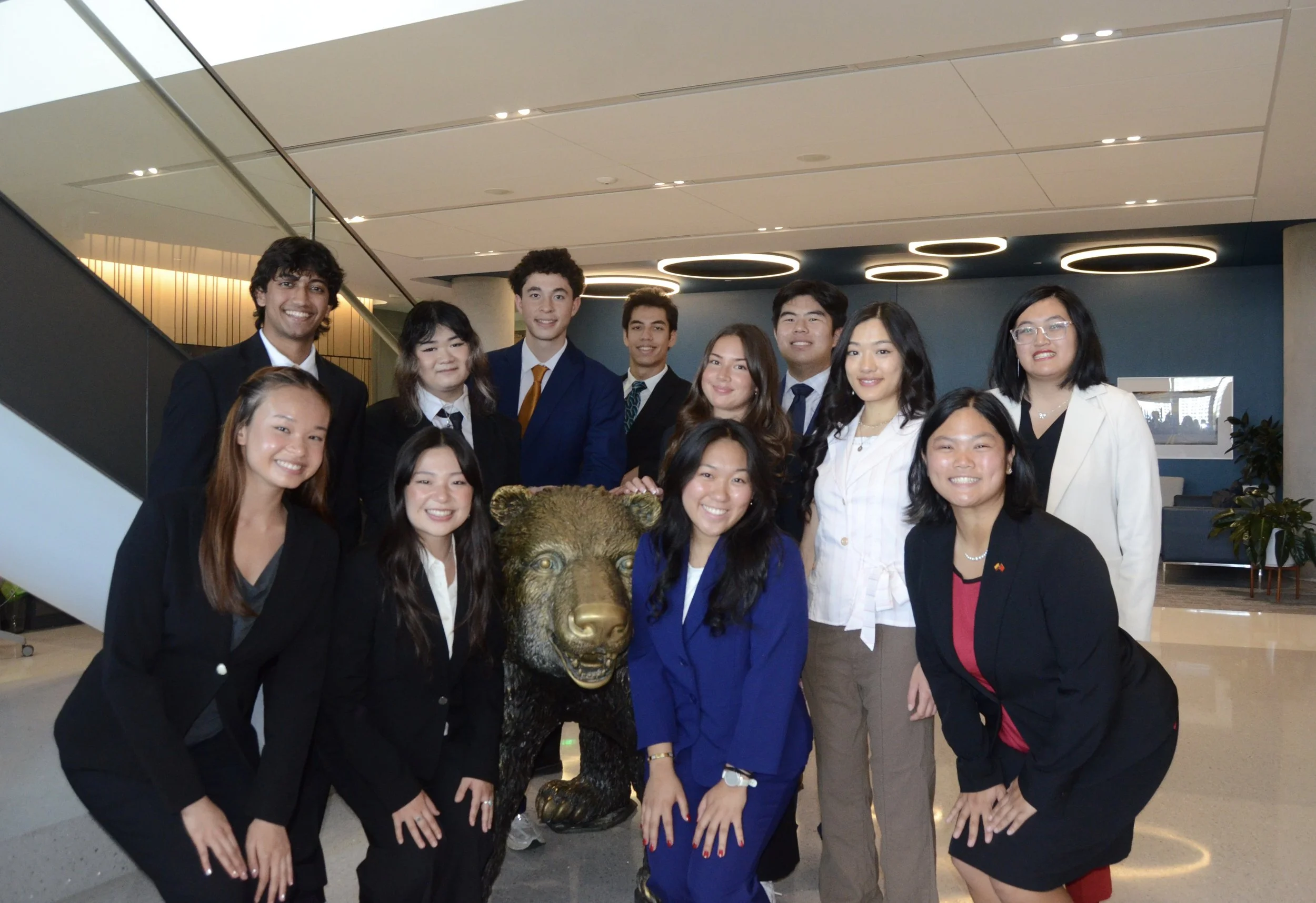
Blog 1: Coke and Sacramentos

By Gabriel Molina-Kong, 2026 CLA Intern

When you hear the words “American politics,” maybe your thoughts jump to a Congress that can’t get anything done or a team of corporate lobbyists funded by private interests. People’s first thoughts tend not to be about their state legislature. After all, most people probably don’t even know who their state rep is (I certainly didn’t until this trip up north) which is a shame because what I saw in the capitol was a governing body comprised of reps and staff that seemed capable of reaching consensus and of pursuing the interests of their constituents compared to those at the national level. In short: an effective government.

One of the staffers we spoke to talked about the courtesy votes that one member might give another for their bill so that it can pass through the system all the while having an understanding that the bill is not perfect and needs to be modified. The courtesy vote is given because there’s a level of faith and cooperation between members, and I found that to be incredibly inspiring when the majority of national attention focuses on a Congress full of vitriol. We had a lot of conversations with staffers, and I’d say that a main theme was that state reps don’t have the luxury of grandstanding and achieving nothing to boost their political profile. They have to be pragmatic and cooperative in a way that I think would give the electorate more faith in certain aspects of our political system if they were highlighted.

Another thing I noticed in our conversations with people in the capitol was a certain kind of humility in the way they were willing to admit that they didn’t have all the answers. You’d expect politicians (and those involved in their world) to be slick talkers that give off the air of unbridled confidence in themselves and their cause, but a lot of them didn’t have the answers we were always looking for. They tried to be as helpful as they could but were willing to admit that they had a messy career path or that their future career is still in question.

I think if this side of American politics could gain more visibility, people would be less cynical and more open to engaging in the political system, whether it be voting, contacting their representatives, or contributing to causes that interest them.
Blog 1: Redefining What Government Can Look Like

By Kara Mak, 2026 CLA Intern

Coming into CAUSE, I expected to learn the “hard” side of government: policy processes, how  agencies and institutions interact with one another, and the ins and outs of a congressional office.  What I didn’t expect was to come away from Week 1 with such a profound appreciation for the  practices and people that uphold our democracy; much less did I expect to find it in system that so many community members have felt failed by and have lost faith in. 

One of the first activities we were asked to complete on the first day was defining the term “civic  engagement.” After a couple of moments of reflection among our small group, I shared that  while I do believe that participating in government and election processes is a significant aspect  of civic engagement, that is not all there is to it. For me, the process of staying civically engaged has involved staying up to date with the news, participating in protests, and volunteering. My team agreed with me. We centered our definition around the idea of collective, continuous, and  active participation in the processes that contribute to the betterment of our society— intentionally avoiding the explicit mention of “government.” It seemed like the rest of the cohort  had the same idea. Nancy [Executive Director of CAUSE] was quick to point out that the fact that none of our teams included the  term “government” in our definition, even though we all knew that participating in government  processes is central to civics, demonstrates just how deeply intertwined the two concepts are. We  should not avoid it or be afraid to acknowledge it. It is only through engaging with government that we can advocate for the betterment of society on an institutional scale. 

The most memorable discussion I had during the week was with CAUSE Board Chair Charlie  Woo. His diverse portfolio of personal experiences wasn’t what surprised me most about our  conversation. Rather, it was that he stated he would support any member of the API community in a governmental role, regardless of their party affiliation. I was taken aback, not necessarily  because I did not agree, but because I knew that wasn’t a position many members of the API  community were willing to take. He reasoned that we must support the few representatives of the  API community that we have, because it is those individuals paving the way for even greater API  representation to take hold in the future. This stuck with me, but it’s also left me with more  questions than answers. How important is descriptive representation to securing the future of the  API community? How do the actions of a few members impact how the entire community is  perceived? Are they adequately addressing the unique needs of the entire community? If not, how does that manifest in the lives of those underrepresented within our own community and by  the people meant to represent them? I am looking forward to exploring these questions and the  “softer,” more human side of government further during my time with CAUSE. 

Blog 1: Connection at the Capitol

By Natalie Bray, 2026 CLA Intern

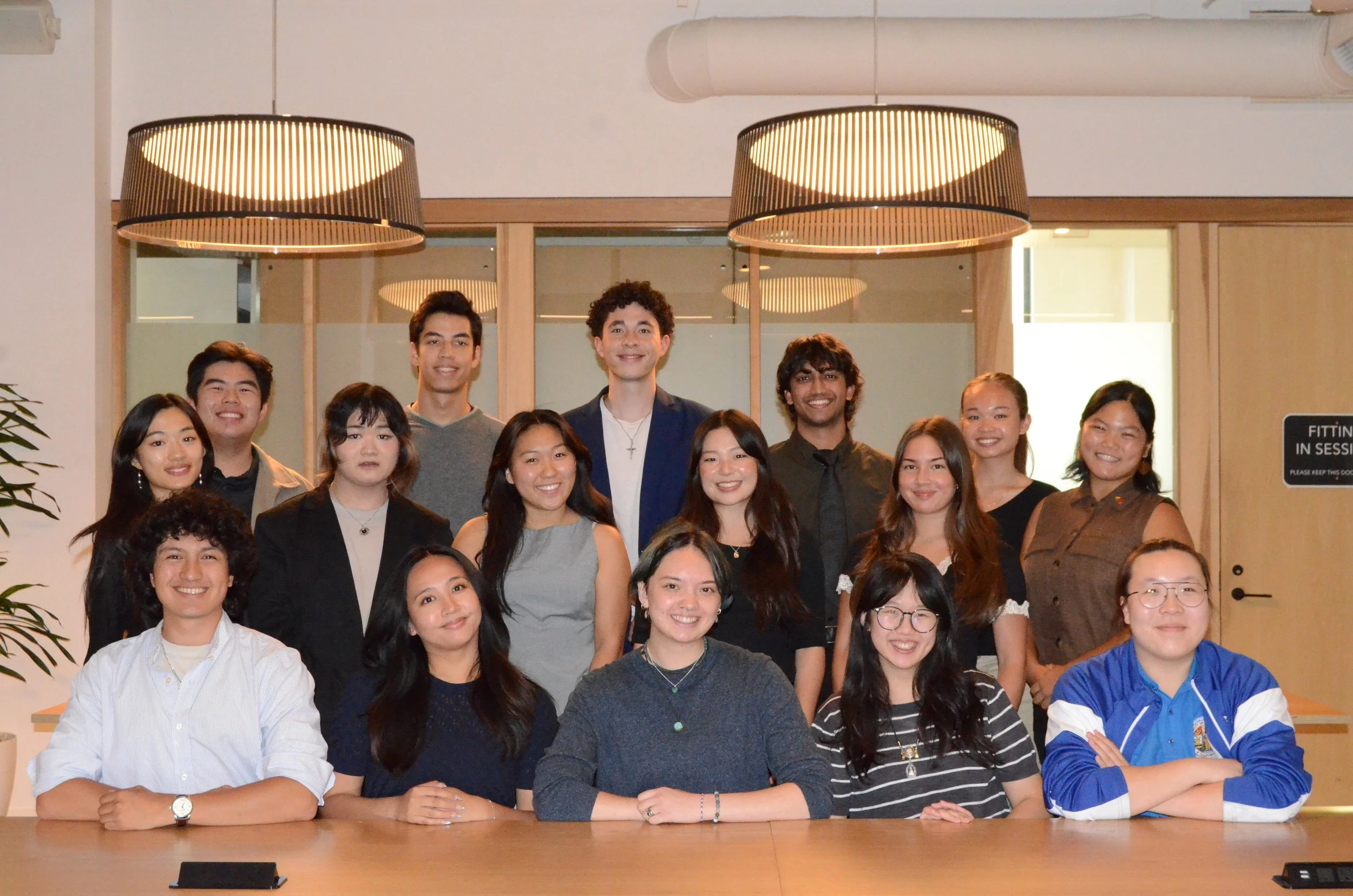
Orientation week at CAUSE provided me with experiences I will never forget. Throughout the various activities, events, and travels we undertook, our cohort built a strong connection with one another that helped me feel more at home with the inspiring young adults I saw around me. Each of us shared different backgrounds, which we discussed with one another, and got to learn about everyone and what personal experiences we all brought to the table in various discussions. Right off the bat, everyone was openly communicative and friendly, and genuinely wanted to understand each other. That instantly created a welcoming environment, and made me excited to spend the summer with this cohort.

At CAUSE, my cohort and I explored various conversations regarding topics I had previously less knowledge on. One discussion that particularly impacted me was learning all about AAPI historical events and learning how these historical events shaped people today, and how the cohort’s own families were embedded within these historical events. This made me realize that AAPI history is severely underrepresented in the education of today, and this made me understand the importance of AAPI representation in the modern era, so individuals within this community get the recognition they deserve. 

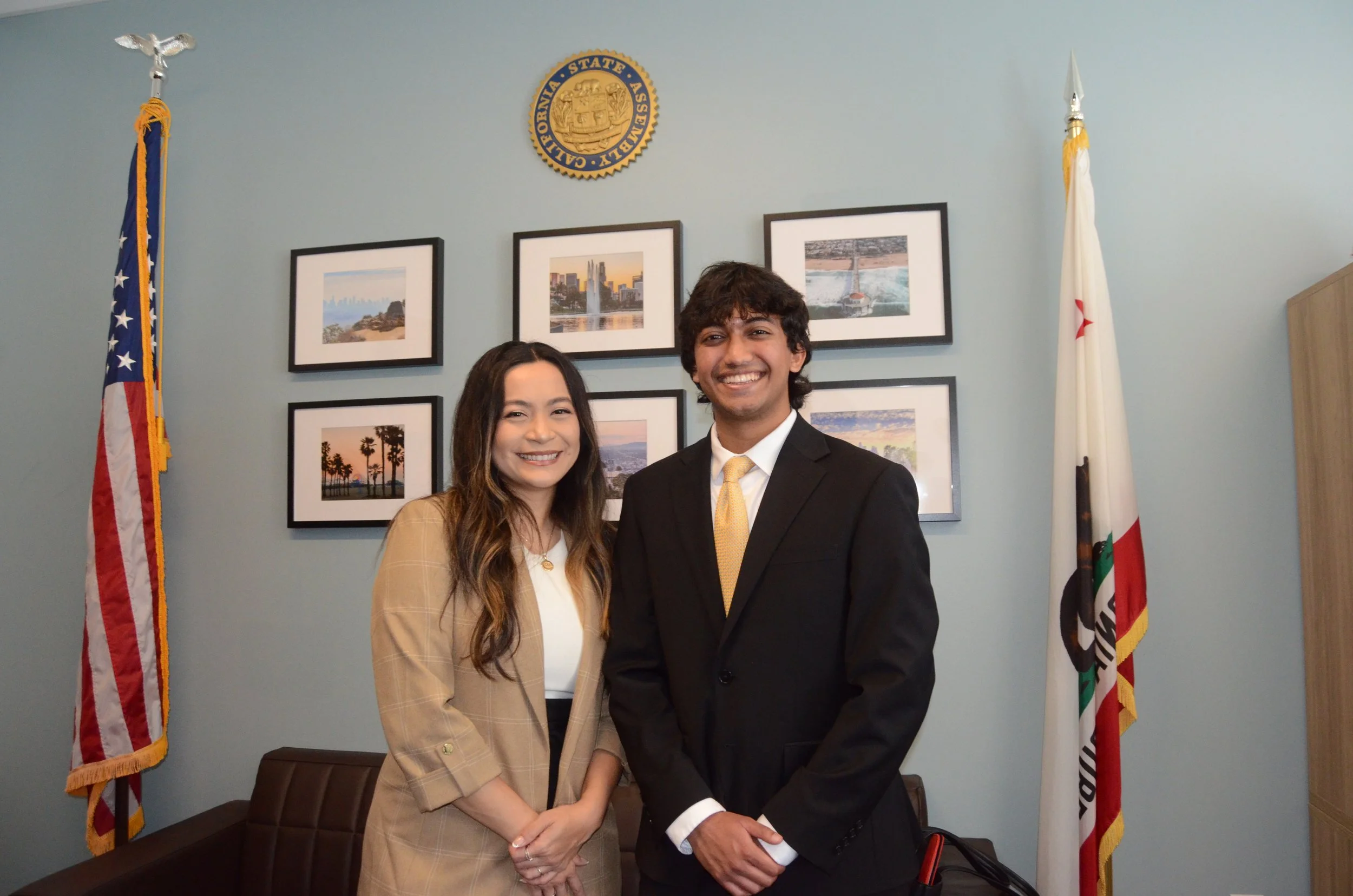
When my cohort and I traversed to the California Capitol for our Capitol Summit in Sacramento, I was extremely excited because I had never been. We hit the ground running when our flight landed, and we went straight into meeting with people of different political positions, staffers, and CAUSE alumni. I got to watch my own representatives at work, as well as communicate with other representatives about their own platforms and goals within their work. For the first time, I got first hand experience conversing with people who are hard at work within the Capitol to handle California’s political issues and legislation. This made me feel heard, and made me feel glad in knowing that there are so many people working for Californians and hearing their issues.

 It was really impactful to see just how important network is within various political spheres, and was touching to see CAUSE alumni take time out of their days to meet with us and genuinely want to support us throughout our Leadership Academy journey, and further. Because I am the first in my family to have any sort of interest and involvement in American politics, it made me feel empowered to see so many of my peers share this interest and also want to collaborate with me about our shared beliefs. I have since realized the vast reach that the CAUSE network has, whether that be in Sacramento or Los Angeles, and how grateful I am to now be a part of it. I have never felt more genuinely supported by an organization, and have never been able to make so many new friends within such a short amount of time. This first week made me look forward to the rest of the summer with my cohort, my supervisors, and everyone I will be able to meet!

Blog 1: A Spark, A New Journey

By Kaitlan Sakuma, 2026 CLA Intern

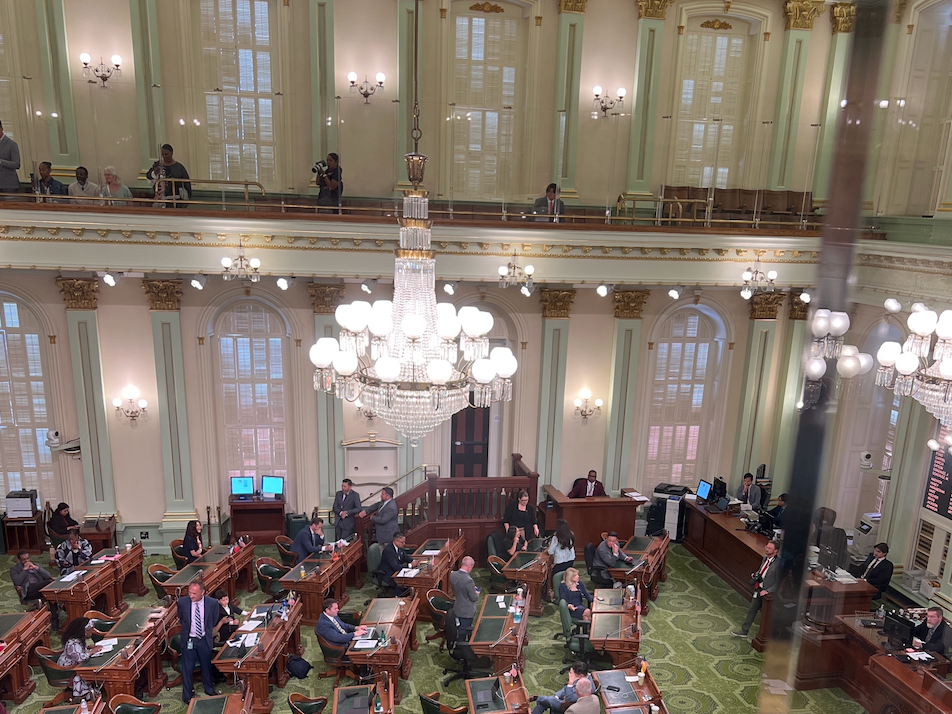
Reflecting over Orientation Week and especially the Capitol Summit, I was reminded of the time we all sat together in the State Assembly Chamber, moved by the diverse weight of everyone gathered in that room. From politicians championing critical bills across the state to waving at the honorable Victor Glover on the assembly floor, being physically present in Sacramento – where change is actively being made – gave me genuine hope. Although it has only been a week at CLA, the knowledge, experience, and bonds I have already gained have been transformative. I am so grateful to be part of an amazing cohort and community of inspiring leaders.

Coming into the Academy, I knew I wanted to deepen my understanding and contribution to an organization that does incredible work to enact change in our communities. Though I thought I understood what CLA was about, actually being part of the program reshaped that understanding into something I couldn’t have fully grasped beforehand. It is to connect with people, to be community-oriented, and to—ultimately—be present. While spending time at the Capitol during our Summit, I saw the importance of not only working for your community but also connecting with your community.

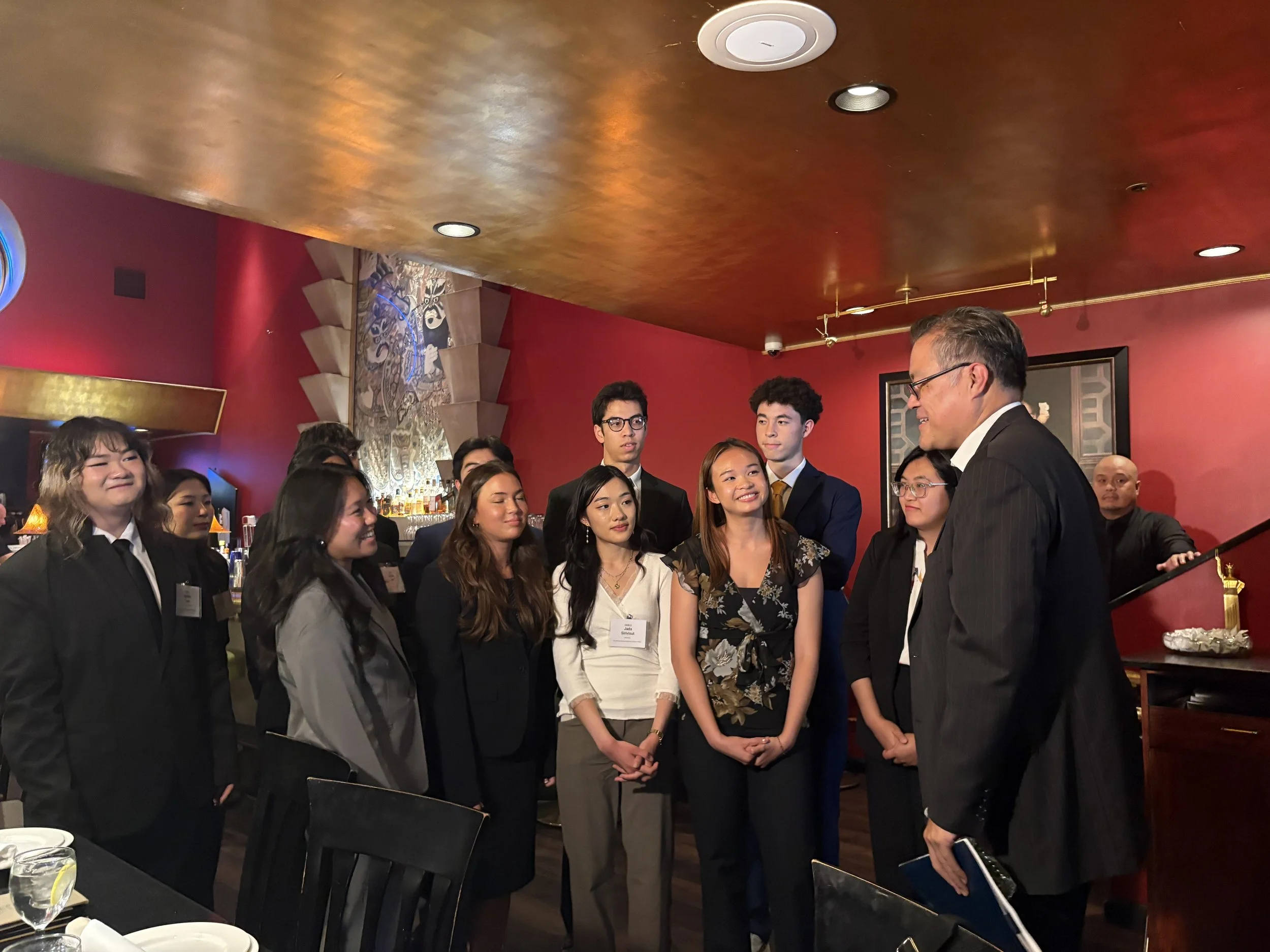
I felt especially inspired by Assemblymember Fong and his way of balancing his work on the Assembly Floor with his drive to continue to connect with his community. Despite the demands of his role at the Capitol, he remains a member of the communities he represents – and he shows up for them. When he stopped by our dinner for a few minutes and answered our questions, it reminded me of how powerful humility is – his physical presence, even briefly, spoke louder than words. I think that this was one of the most significant takeaways from the past week; I strive to be a leader who enacts change within the community and is also one with the community.

Furthermore, in discussing CAUSE and its commitment to Asian Pacific American (APA) empowerment, I was amazed to see how expansive the API and AANHPI networks are in the political atmosphere. In Sacramento, listening and talking to other motivated API leaders in the field was empowering. In particular, having conversations with past CLA Interns and other CAUSE alumni allowed me to visualize myself in this line of work as an individual part of the APA community. Because there still exists a lack of representation in the political space, seeing a growing APA community at the Capitol—a space where change and policy is being made—and how that representation is being celebrated, gives me genuine hope for future AANHPI leaders to continue to emerge and grow in the political field.

Blog 1: Civic Engagement In Practice in California State Legislature

California Assembly Floor — July 18, 2026

By Ivory Sihashath, 2026 CLA Intern

Civic engagement is not just voting or protesting; it's about engaging through educational means to get to know your government. Even though I have been to Sacramento before for an academic trip, my trip this time to Sacramento was highly impactful for me career-wise. I gained so much information on California politics and public policy, as well as how I can shape my career around leadership and public policy. An especially powerful moment that stood out to me was when we were in the Assembly Gallery, overlooking all the Assembly members on our last day. It was fascinating to see how Assemblymembers voted on bills and measures, and the important people they wanted to introduce to the floor. It really showed me how Californians pick their leaders to represent them in shaping state policy and presenting issues they care about. An important takeaway for me was forging not just professional, but meaningful connections during the trip. Whether it be with CAUSE staff or my fellow cohort members, these connections, I hope, will last me throughout my career. Through this, thanks to Rachel [2026 CAUSE Programs Intern], she gave me meaningful advice regarding my career and deciding where I want to pursue my career, state-wise. An interesting discussion that stood out to me during the program were panel style discussions with the Alumni, who offered advice for our time in the CLA. There is often discussion of what civic engagement looks like. I feel in broader aspects, participating in youth programs and wanting and having the strive to learn constantly about your local government, and working and communicating with like-minded individuals, to strive for civic participation. Above all, this orientation week was not just fun for me; it was civically educational and career-focused. Coming from Arizona, I found it fascinating to see how there was a supermajority in the California legislature, and how busy and bustling the staffers and State Senate and Assembly members were operating for their constituents.

Blog 1: Finding Community

By Matthew Inui, 2026 CLA Intern

As I drove to the CAUSE office on our first day of CLA, weathering the traffic on the 405, I was nervous. The night before, I had read through each intern’s bio that they sent into the Slack, and I couldn’t help but feel a sense of imposter syndrome. Every one of my fellow interns seemed so accomplish, and I felt so new to the realm of civic engagement and local politics. I didn’t grow up particularly civically engaged, and while many of my peers arrived with years of advocacy, organizing, or campaign experience, I felt I was still learning the language of politics.

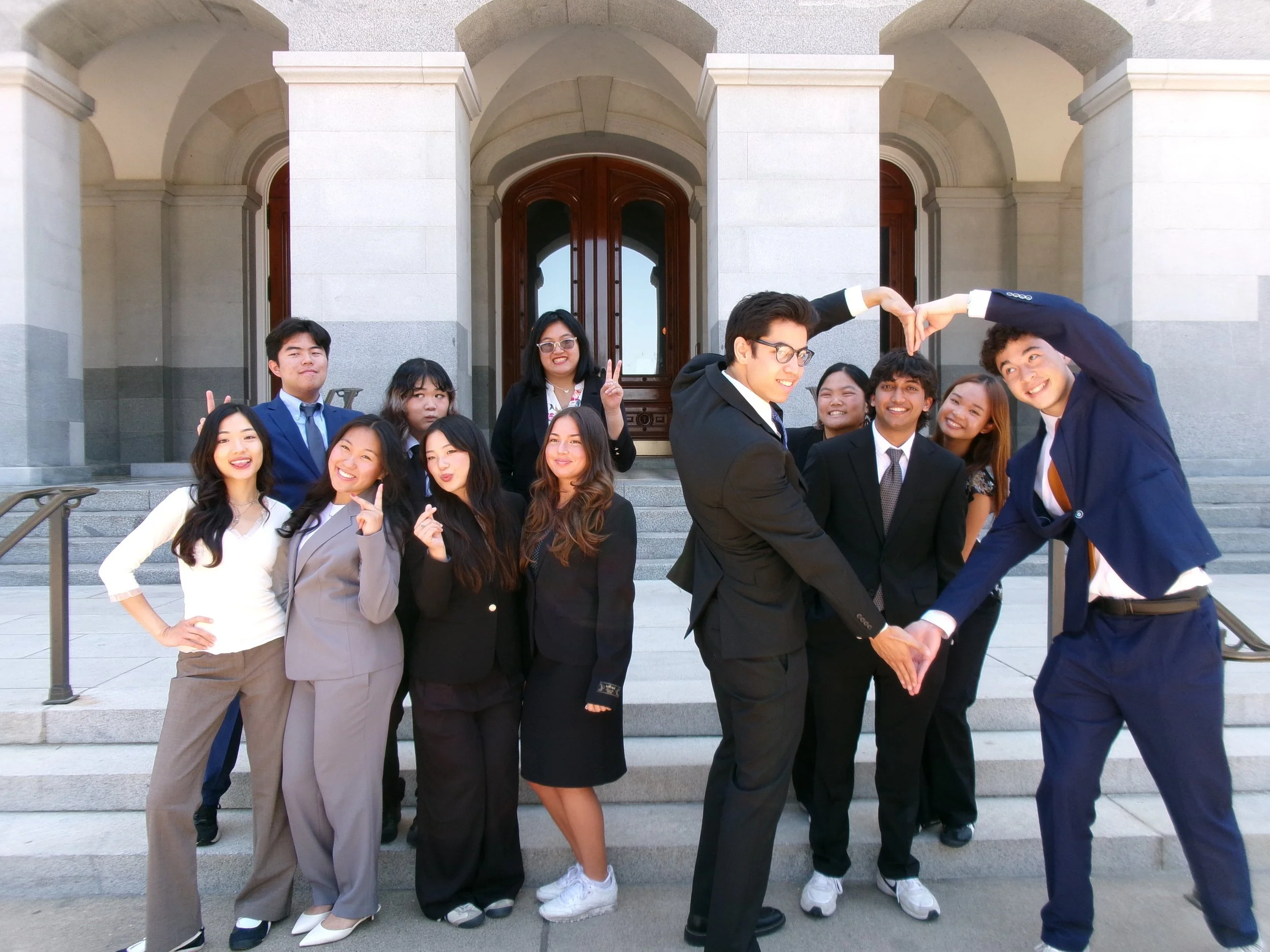
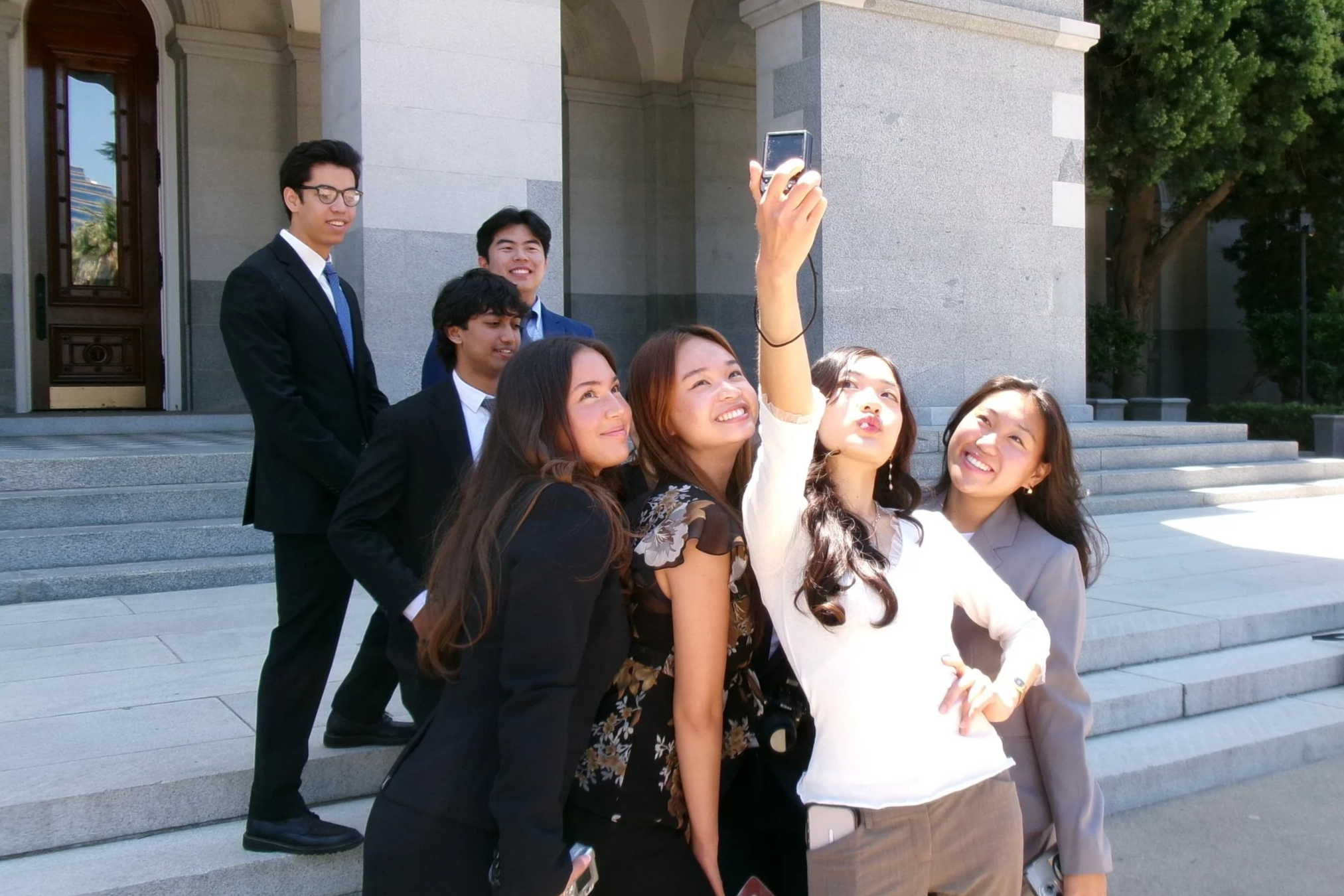
However, my feelings of anxiety quickly dissipated from the moment I stepped into the parking lot and was met with nothing but friendly smiles and welcoming arms. In particular, for the first time, our cohort went on the Capitol Summit in Sacramento during the first week, and traveling together truly allowed us to grow closer to each other. By the time we had wandered downtown late at night to take pictures in front of the Capitol building, the nerves I had carried into the week had quietly disappeared.

As I grew more comfortable with my cohort, I still found many of our discussions intimidating, especially those centered on policy. But once I felt like I belonged, that discomfort no longer felt discouraging, but motivating. At the Capitol, when some of the interns started asking questions about housing in the SGV, I sat back and listened. Until then, housing policy had felt abstract to me, but listening to the interns ask pointed questions about their communities made realize how much history and community knowledge underlies these issues that I had previously taken for granted. Later, while prepping our mock campaign, I learned about the Rule of Threes in messaging. Before that discussion, I had assumed that good campaigns were driven primarily by good ideas, and I was impatient to jump into the policy researching. But listening to my friends, who had more extensive campaign experience, helped me appreciate the strategy behind communicating those ideas effectively. Every conversation from this week left me with another question to chase, and I quickly realized that curiosity and openness—not expertise—were the qualities that would allow me to grow during this internship.

Already in this first week, I’ve learned so much from the CAUSE civic leadership trainings and the wisdom of the guest speakers, especially the staffers and elected in Sacramento. Yet I suspect that my greatest learning opportunities over the next seven weeks will come not only from formal trainings, but from the people learning alongside me every day.

On a final note, as the intern placed with CAUSE, one of my responsibilities on the first day was transcribing our activities from Week 1. One such activity asked us to write down the communities that we belonged to. As I was typing everyone’s responses, I came across one of my own that simply read: “CAUSE.” I barely remember writing it.

At the time, I had been scrambling to fill as many sticky notes as possible and absentmindedly wrote it down because it was where I happened to be spending the summer. Looking back after these first two weeks though, I find that the conversations that challenged me, the friendships that welcomed me, and the people who continually encouraged me to stay curious transformed what began as an internship into a community. I came to CLA hoping to learn about civic leadership, but in finding a community that challenged me to grow, I also found a place where I belong.

Blog 1: Quasi-profound thoughts about self-confidence

By Abhishek Jagannathan, 2026 CLA Intern

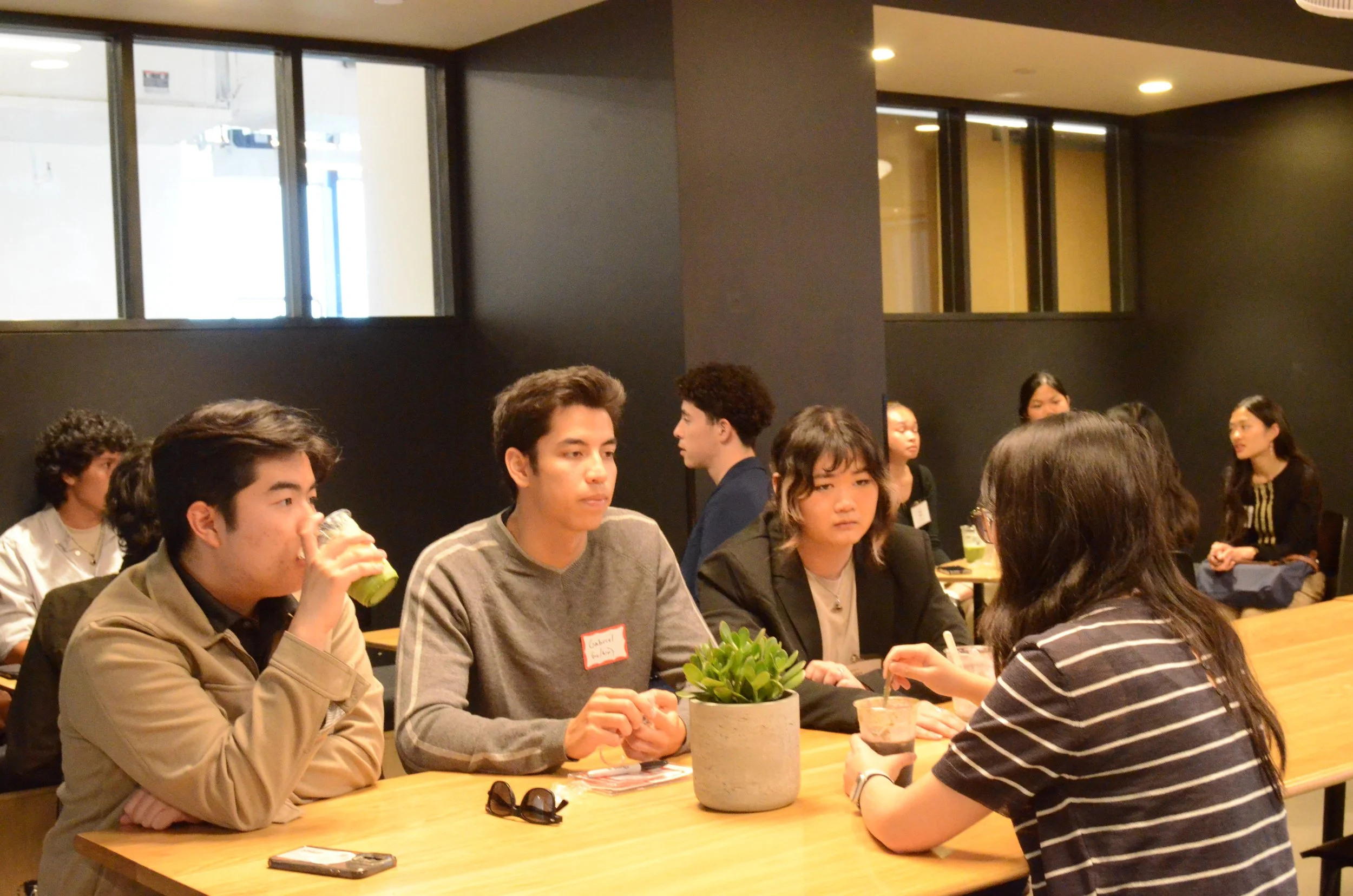
Orientation Week and especially the Capitol Summit with CAUSE were a series of events that I can only describe as a Top 10 extroverted experience. For an entire week you are pretty much non-stop surrounded by new faces (first, your fellow cohort members and later, various elected officials, staff, and interns from other programs), and the whole time you are cognizant that you have to be ‘on’ - introducing yourself without stuttering or forgetting an honorific, asking the right questions of the right people, trying to form instant connections in quick succession while everybody around you is trying to do the exact same thing.

I’d call myself an introvert most days of the week, and although I did my best to bring a generally jovial attitude to the function, much of my networking process was marred by me internally shaking and quaking in my metaphorical boots. In every interaction, I was struggling to figure out what the best way to present myself would be, whether or not I was making enough eye contact, whether my handshake was firm enough, or if I seemed like I was competent and deserving to actually be there.

None of this was productive, whatsoever.

But through the week, I was fortunate to have experiences that helped put everything in perspective, and provide me with a couple of key takeaways.

First of all, it’s really surprising how similar students and professionals are. On our second day at the Capitol we had the privilege of watching an Assembly floor session, as members gave speeches in support of legislation regarding Juneteenth. It was an incredible opportunity to see how the government operates first hand. While we were watching the session, one of my fellow cohort members pointed out how the way the Assembly desks were arranged - paired desks in rows all facing the front - was very similar to the ayout of a high school classroom. I found this comparison to be both funny, and strangely relieving. I started to notice just how down to earth the Assembly proceedings were, with officials socializing between desks, checking their phones, reading off scripts for certain moments. Suddenly, the environment in the Capitol became almost relatable. This is not to say that the Assemblymembers and the work that they do seemed any less impressive or significant, just that it seemed far less removed from my own life. Government officials are also people, not too different from you or me. I found that when dealing with something like imposter syndrome, remembering this is a guiding light of sorts.

Second, the only thing I ever need to worry about is showing up. On the first day of our orientation week, we had an activity where we each described a leader whom we admired and what it was about them that we found to be inspiring. Once we all shared our thoughts, it became clear that the common thread between our leaders was that they all ‘showed up’. These people were a huge presence in the lives of others, they communicated, they were available. I think that more so than education or experience, the real trait that makes good government officials stand out is that they show up. Every single person we met in Sacramento, every member who delivered a speech on the floor, made the effort to show up and be present. If you show up, you’ve done more than a lot of other people, so you have no reason to doubt yourself or be underconfident. If you’re in the room, you’ve made it.

To tie these two lessons together with my own experience, I learned that overthinking every word or action is only going to take you out of the moment, making you less present. It’s a waste of time, and defeats the purpose of showing up. Being confident in who you are without second-guessing your decisions may seem like a surface level realization, but it’s really the only thing you need to remember. That’s the reason you’re there. I feel immensely grateful to CAUSE for this week, and for teaching me these lessons.

Blog 1: Finding Myself in the Leadership of Tomorrow

By Jada Sirivisut, 2026 CLA Intern

Coming into my first day of the CAUSE Leadership Academy, I felt my heart pounding with anticipation and eagerness for the upcoming summer. While my excitement was apparent, the overwhelming imposter syndrome and anxiety of the unknown burdened me. Yet when I walked into the room of Asian Pacific Islander advocates and passionate leaders with much more in common with me than I could have ever imagined, my worries were instantly alleviated. In defining civic engagement and community, I was enlightened with the inspiring realization that with CLA, I was for the first time in my life able to express myself, my values, and my overarching goals in a setting of individuals who shared mutual drives and, to a certain extent, were surprisingly similar to me. Seeing myself in the successful leadership guiding the program and my determined colleagues was vital. The clear opportunity presented to each and every one of us to foster our own personal and professional growth, broaden our horizons, and develop our intellect was invaluable.

Such purposes became especially clear to me when we embarked on the Capitol Summit only a mere two days after meeting the CAUSE staff and fellow interns. Despite being surrounded by what some might expect to feel like awkward strangers, I was unexpectedly thrilled at the sense of belonging and community that prevailed throughout the rest of our trip and I am sure will persist for the remainder of the summer. These memories, ranging the spectrum from legislative settings such as being able to witness preparation for a Juneteenth Celebration at the Assembly floor to more unstructured fun in visiting retro diners followed by exploring the city in the evening, will remain with me infinitely. From these moments, it is not just the notes I jotted down or souvenirs I bought that I carry into the future, but also the joyous reminder that I am now part of an everlasting, family-like matrix of interconnected people who support one another and collaborate with endless unity.

As I move forward into the summer with the CAUSE Leadership Academy, the initial worries of not having enough experiences stacked on my resume or being too introverted to make any friends within my cohort no longer remain. In their place is a newfound enthusiasm at continuing to expand my professional and personal landscapes and cultivate a vibrant future marked by the promise of a thriving civic culture in a better tomorrow.

AANHPI Voices in LA’s Charter Reform

Earlier this year, CAUSE raised concerns that Asian American, Native Hawaiian, and Pacific Islander (AANHPI) perspectives were missing from key stages of the Los Angeles City Charter Reform process. In a January 28 letter to the Commission, we asked how AANHPI communities were being engaged and requested a meeting with commissioners to ensure these perspectives were included moving forward.

Celebrating the 2025 CAUSE Leadership Academy Graduates!

Celebrating the 2025 CAUSE Leadership Academy Graduates!

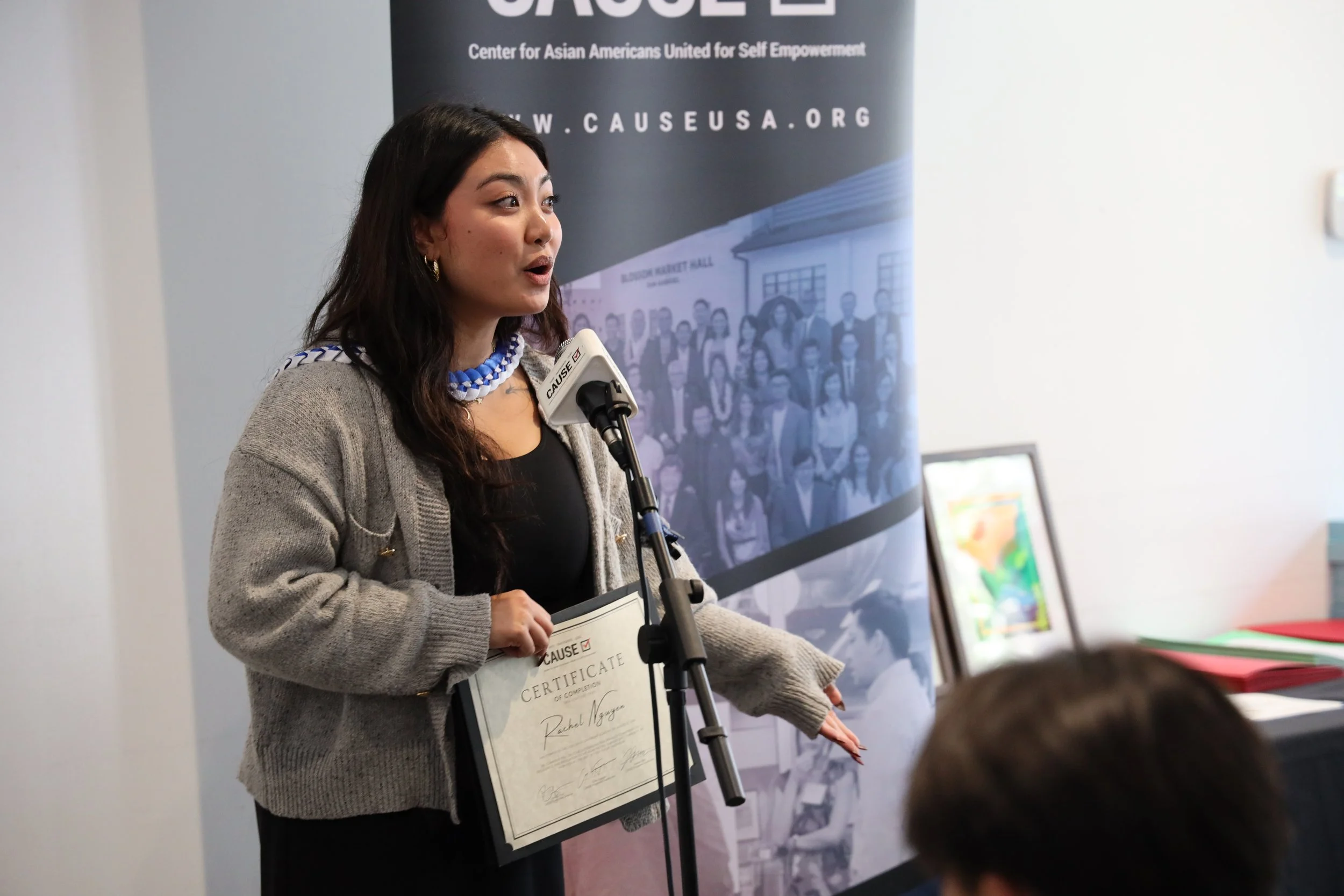
“Their program culminated on Friday, 8/15, with an opportunity to share what they learned with their host offices and the CAUSE network. It included reflections about CAUSE leadership workshops, host office placements, a Capitol Summit trip to Sacramento, and their Mock Campaign for Assembly District 49, featured at the CAUSE Summer Soiree.”