亞美政聯實習生畢典 網上舉行 (World Journal)

前州財長江俊輝出席畢業儀式向學生表示祝賀。(視頻會議截圖)

前州財長江俊輝出席畢業儀式向學生表示祝賀。(視頻會議截圖)

亞美政聯主席胡澤群出席。(視頻會議截圖)

亞美政聯主席胡澤群出席。(視頻會議截圖)

亞美政聯(CAUSE)每年暑假都有參加領導實習計畫的實習生畢業,但今年的實習課程和畢業典禮都通過遠程舉辦,尤為不同。

7月31日,亞美政聯通過zoom给八名實習生舉辦畢業典禮。亞美政聯主席胡澤群表示,由於疫情原因,參加實習的學生們不能像平時一樣去民選官員、非營利組織辦公室工作和學習,但他表示當天的結業儀式不是和亞美政聯關係的終章,亞美政聯在未來將會依舊為學生們提供資源,包括人脈、指導以及組織的理事們都會在這裡。

這次的實習項目略有不同,實習生們遠程參加了許多講座和討論會,整個暑假項目一同完成一些人口普查的宣傳工作。在畢業典禮上,學生門展示了工作成果。作為高中剛畢業或大學就讀的年輕學子,他們通過社群媒體鼓勵民眾積極參與人口普查。胡澤群表示,以往在畢業典禮上都會授予畢業證書,但今年若只是電郵一份畢業證書給學生們又顯太遺憾,因此每位學生都有機會分享自己的感想。

前加州財務長江俊輝出席畢業儀式向學生表示祝賀,他鼓勵學生要去改變社會的「演算法」(algorithm),演算法是人寫的,無論是從科學還是文化方面,要去影響譜寫這個社會所用的「語言」,從而能讓這個社會對每一個人都更具有意義。

江俊輝表示,最近看到許多的抗議運動,尤其這一代年輕人積極走上街頭,令他受到鼓舞,因為這也是他年輕時會去做的事。今天的學生們有許多優秀的前輩學習和指導,但也要將自己的才能和專業發揮出來。尤其是在當下的特殊疫情期間,各專業的人才都可以有幫到社會的地方。

他表示,領導人也有「一窩蜂心態」(herd mentality)。美國雖是世界強國,卻在這次疫情表現最失敗,這是因為領導者對國際變化缺乏理解。因此了解並具有多元文化背景的年輕人,應勇於推動邊界,挑戰觀念陳舊不願改變的上一代人。總是那些受過良好教育的年輕人們,在推動著美國未來的成功。

目前在洛杉磯加大就讀的華裔實習生林函表示,以往說到亞裔只是想到華裔,這次通過實習感受到亞太裔的多元,對亞太裔歷史和特有問題有了更深了解,並探索了自己的亞太裔身分。她也深受鼓舞,希望社區能有更多關於公民參與的討論。

亞美政聯通過zoom给八名實習生舉辦畢業典禮。(視頻會議截圖)

亞美政聯通過zoom给八名實習生舉辦畢業典禮。(視頻會議截圖)

亞太裔 僅一成支持學校全面重開 (World Journal)

作為加州人口增速最快的少數族裔,亞太裔(APA)在加州社會中的聲音越來越重要。(unsplash圖片)

作為加州人口增速最快的少數族裔,亞太裔(APA)在加州社會中的聲音越來越重要。(unsplash圖片)

亞美政聯主席胡澤群(圖片來源:百人會網站)

亞美政聯主席胡澤群(圖片來源:百人會網站)

近日,亞美政聯(CAUSE)聯手戰略諮詢公司Strategies 360,共同完成了2020年加州亞太裔民意調查,重點關注了疫情下亞太裔對經濟重開以及族裔關係的看法。調查結論顯示,疫情下多數亞太裔對其他族裔的同情心與同理心更強,並且對經濟與學校重開持謹慎態度。

亞美政聯主席胡澤群(Charlie Woo)表示,在目前艱難時期,亞太裔社區理應在解決社會問題上擔負起領導角色。而此次民調的目的就是通過追蹤加州居民對目前社會的熱點問題的觀點變化,來更好地了解少數族裔社區在加州的生活感受。這也是亞美政聯與西裔和非裔社區第一次合作完成的民意調查。 

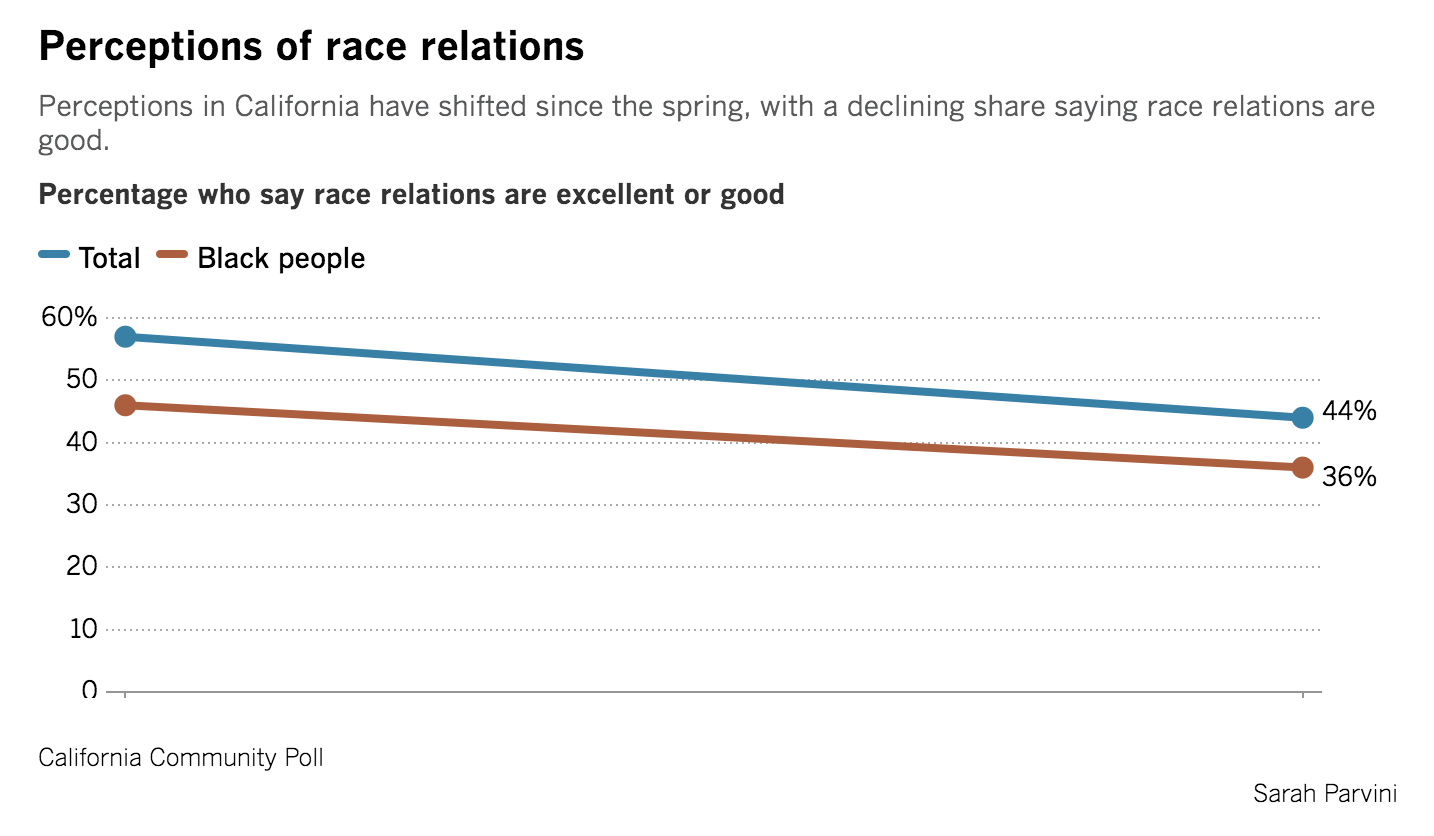
在對加州族裔關係的看法上,有一半的亞太裔受訪者表示自己能感到被他人歧視,較之新冠疫情爆發前增長了約8%。而認為加州族裔關係很好或良好的亞太裔居民也從疫情前的57%下降至44%。這一變化與亞太裔在新冠疫情期間因被部分公眾人物與其他族裔當成「新冠替罪羊」 而頻繁遭到歧視和種族攻擊有關。與此同時,胡澤群也表示,相比於在面對種族歧視時更傾向息事寧人的老一代亞太裔,新生代的亞裔不但對種族歧視更加敏感,也敢於站出來鬥爭。

遭受種族歧視的經歷也使亞太裔更加同情和理解其他少數族裔在社會中遭遇的不公正待遇。在本次的民意調查中,亞太裔居民普遍認為,有超過七成的非裔與西裔居民在日常生活中會遭遇種族歧視。與此同時,在對其他族裔的加州居民的調查中,有68%的加州居民認為,亞裔也要面對種族歧視問題,較之2月份上升了13%。這表明在目前的族裔關係下,不同族裔社區之間的同理心和同情心增強了,對抗種族主義逐漸成為了不同族裔社區間的共識。

在對待警察的態度上,有54%的亞太裔受訪者認為,目前的警察存在系統性的種族歧視問題。但同時僅有5%的亞太裔受訪者支持部分抗議者提出的解散警局的觀點。79%的亞太裔受訪者支持對警局進行改革。改革方式包括改進警方訓練項目和將部分警局資金分配到其它社會項目上。儘管一個月前的抗議活動讓許多亞裔對社會治安產生擔憂,依然有56%的亞太裔受訪者認為,抗議活動讓不同族裔間的關係更近了。

在對待經濟與學校重開的問題上,儘管眾多服務業和零售業的亞裔居民在疫情下遭遇了嚴重經濟打擊,但依然有77%的亞太裔受訪者擔心,政府在經濟重開計劃上操之過急。74%的亞太裔受訪者認為,疫情最嚴重的時候尚未到來。在學校重開問題上,有47%的亞太裔受訪者支持學校繼續採取全部遠程教學法,33%的亞太裔受訪者支持學校有限開放,僅有11%的亞太裔受訪者支持全面重開學校。

胡澤群表示,亞太裔雖然在新冠疫情下受到了嚴重的經濟衝擊,但是多數亞太裔對家人和社區衛生健康的關注依然高過其對經濟問題的擔憂。在疫情早期,許多亞裔因為通過在亞洲的親屬得知新冠疫情的嚴重性,因此早早的做好了防疫準備。而隨後美國疫情的發展趨勢也證明了亞裔在防疫上的謹慎態度是正確的。

胡澤群最後表示,希望這項民意調查能夠加強亞太裔在加州的政治聲音,使主流社會能夠更加關注亞太裔對現存社會問題的聲音,同時也希望越來越多的亞裔能夠關注公共政策問題,一起努力為社會的發展和改善提供解決方案。

Poll: Majority Asian Americans believe race relations have worsened, feel unhopeful about COVID-19 recovery (Asian Journal)

Photo by Rolande PG on Unsplash

Photo by Rolande PG on Unsplash

The survey also found that the majority of Asian Americans support recent protests, police reform

The coronavirus pandemic has been the singular, collective constant of 2020.

The virus has been, not only an issue of public health and safety in a medical sense, but also in a cultural sense, dredging up familiar tones of anti-Asian, especially anti-Chinese, racism and xenophobia that blames the Asian community for the pandemic.

Then the recent uproar over-policing and systemic racism brought on by the high-profile killings of unarmed Black individuals came to the fore, broadening the scope of community discussions on the state of racial equality (or lack thereof) in America.

The Center for Asian Americans United for Self-Empowerment (CAUSE) — partnered with Hispanas Organized for Political Equality (HOPE) and Los Angeles Urban League — conducted a recent poll that sought to gauge the Asian Pacific American (APA) response (as well as those from other ethnic groups) to the COVID-19 situation in the United States as well as the ongoing conversations and proposals related to policing and systemic racism.

The two-part poll series comprises responses from 1,184 adults across California.

“These historic series of polls track the shifts in Californians’ attitudes towards some of our state’s most pressing issues, and we now have a more vivid picture of how communities of color are feeling in California,” said CAUSE Board Member and poll director Dan Schnur. “This is the first time that organizations representing these three communities have teamed up on a project like this one, and we’re honored that CAUSE was able to play such an instrumental role in bringing this coalition together.”

The poll, which is a comparative poll to one that was conducted in February, found that 86% of respondents were “worried about themselves or their immediate family contracting COVID-19,” and 74% of APAs in California believed that the worst of COVID-19 has yet to come to the Golden State.

If the spike in COVID-19 cases continues in California, 76% of APAs believe that the economy will continue to deteriorate and 77% believe that the government was reopening and lifting safer-at-home restrictions too quickly. (On the flip side, 16% were more concerned that the restrictions were being lifted too slowly.)

“In these difficult times, California’s Asian Pacific community can and should play a leadership role in taking on the state’s most pressing challenges and working together toward necessary solutions,” CAUSE Board Chair Charlie Woo said in a statement.

In regards to race relations, 44% of APAs would describe race relations in America as “excellent” or “good,” a 13-point decrease from February when 57% expressed that view.

Moreover, since the beginning of the pandemic, 50% of APAs feel or have felt personal discrimination from others, which is up from February’s 42%.

As for the overall issue of anti-Asian racism, 68% of APAs in California now recognize that Asians are and can be targets of racism.

“COVID-19 has ignited widespread discrimination and hate crimes towards Asian Americans, which has evidently affected their perception of race relations. Asian Americans have become more aware of the discrimination against their own communities, as well as against other communities of color,” said Woo. “The fact that more Californians [now] recognize Asian Pacific Americans don’t just fit in as model minorities, but also are discriminated against and face challenges too, shows huge progress.”

APAs also expressed awareness of discrimination towards other groups, with 77% believing that African Americans “frequently or sometimes” face racism; 70% believe the same for the Latino community.

In terms of anti-Black racism in policing — and the overall impact that police have on American society — 54% of APAs believe that the police’s use of brute, fatal force against unarmed Black individuals were examples of systemic racism, “whereas 31% believe these are isolated incidents,” the poll read.

A whopping 79% of APAs support police reform, but 33% of APAs prefer the disinvestment of police in favor of funding and allocating some police responsibilities to other government agencies.

In regards to the recent protests which brought together people from all racial and ethnic backgrounds, 56% of APAs found that the protests have promoted racial unity and optimism for a more inclusive America. (Klarize Medenilla/AJPress)

Should you send your child back to school? Parents are stressed and divided (Los Angeles Times)

Natalie Burge, a teacher at Giano Intermediate School in West Covina, sits in her empty classroom. Officials are debating whether to reopen campuses in the fall.(Myung J. Chun / Los Angeles Times)

Natalie Burge, a teacher at Giano Intermediate School in West Covina, sits in her empty classroom. Officials are debating whether to reopen campuses in the fall.

(Myung J. Chun / Los Angeles Times)

Weeks before the start of school, Californians are deeply split over whether campuses can safely reopen amid the ongoing coronavirus surge — caught in a collective moment of uncertainty and anxiety also reflected among teachers and education leaders.

Parents, as indicated in a new statewide poll, are grappling with the prospect of stressful, less effective learning at home — not to mention continued child care woes — and fears that children exposed at school could bring COVID-19 and its potentially deadly risks into their home.

Similar concerns among school workers are expected to crystallize in Los Angeles on Friday morning when the teachers union will recommend a delay in reopening campuses tentatively planned for Aug. 18. For now, learning from home — in place since mid-March — should continue, union leaders said.

The California Teachers Assn. on Thursday made a similar but less explicit statement, saying that conditions for keeping students safe have not been satisfied statewide.

L.A. school officials have not yet made a final decision other than to say that instruction will begin on the first day of school, one way or another.

Yolanda Ford-Swinton, who cares for an 8-year-old granddaughter, exemplifies the angst.

“I do think she needs to go back at least some of the time,” said Ford-Swinton, whose granddaughter attends Cowan Avenue Elementary in the Westchester neighborhood of Los Angeles. “But I’m so afraid because I don’t know what’s going to be in place.”

“Will everyone be tested for COVID-19 when they enter? If they have a fever, will they be sent home? Will there be a full-time nursing staff? It just creates a level of stress.”

Overall, Californians are closely split on whether to continue with distance learning or go ahead with a limited reopening, according to the poll, which was conducted in consultation with The Times.

About 4 in 10 California adults want to stick with full-time distance learning this fall. A similarly sized group favors a limited reopening with students in school on alternating days or on half-day schedules. The staggered schedule would allow schools to comply with social distancing requirements, which typically require students to remain six feet apart.

Fewer than 2 in 10 support having students attend classes full time in person on a daily basis — even if they follow social distancing guidelines, the poll found.

Respondents took part online in the California Community Poll from June 26 through July 6. The survey was commissioned by the Center for Asian Americans United for Self Empowerment, Hispanas Organized for Political Equality and the Los Angeles Urban League. Strategies 360, a California-based polling and political strategy firm, polled 1,184 adult citizens. The margin of sampling error is 3 percentage points.

The question of when and how to reopen campuses has divided experts and roiled politics up to the White House, with President Trump this week threatening to withhold funding for schools that don’t open and challenging the advice of his own experts. He questioned the need for social distancing and labeled the safety guidelines from the national Centers for Disease Control and Prevention as too tough, expensive and impractical. The CDC on Thursday refused to change its guidance.

“It’s clear that most Americans are much more conflicted about how to proceed — whether it’s about wearing a mask or sending their children to school — given the wide range of messages they’re hearing from their elected leaders,” poll director Dan Schnur said.

California officials are contemplating, at best, a hybrid format, with students combining online sessions and work-at-home materials with part-time classes on campuses in small groups.

Alberta Brinson Moore of Leimert Park explained her conflicted sentiments. Her 15-year-old son was “having the time of his life” at Dorsey High School, playing soccer, earning almost all A’s and making friends, despite having to work through attention deficit hyperactivity and a speech disorder.

Since the pandemic, he’s had only three speech sessions, and none of his online instruction has been live: “My son really needs some kind of social engagement.”

“But I’m a realist — we have to see what the numbers are,” she added, referring to the county’s spike in coronavirus infections.

Moore, 58, has diabetes and high blood pressure, and she recently received radiation treatment for breast cancer.

“I’m the person that — something happens, it’s not just gonna be a sniffle,” she said.

In the poll, undertaken before Trump began touting reopening schools, residents of Los Angeles, Orange and San Diego counties — where the toll from COVID-19 has been heaviest — were significantly more in favor of keeping students off campus than residents of other parts of the state.

The poll found only small differences between parents and non-parents on the issue, but significant differences among different groups of parents. Among parents earning more than $75,000, about 3 in 10 supported a full reopening this fall. Among parents earning less than $75,000, only half as many supported reopening.

Black and Asian Pacific American parents were especially supportive of sticking with distance learning, with half or more in those groups in favor. Latino parents were most in favor of a partial reopening, with nearly half supporting that option. Whites, who have been less likely than Black people or Latinos to be hit by the virus, were the most evenly divided, with about 1 in 5 backing a full reopening.

Moreover, the political polarization that has divided Americans on nearly everything in recent years reinforces an urban-rural split, the poll found. Self-identified Republicans and conservatives, who are more likely to live in non-urban parts of the state, were much more likely to back reopening than were Democrats and liberals.

“These poll numbers show that Trump’s call for a full reopening is most popular with men, seniors and rural white voters,” Schnur said. “Trump will almost certainly not win California in November, but the demographic groups that are most supportive of opening the schools are the voters he needs to win in more competitive states.”

But for most — including education leaders — the issues are more pragmatic than political.

“It seems to me that we are ill-prepared for the reopening of schools,” said Lynwood Supt. Gudiel R. Crosthwaite. “Given the increase in rates not only in Southern California but throughout the country, it seems almost irresponsible for schools to open.”

Lennox School District Supt. Scott Price said he’s been involved in discussions with leaders of other school systems and some expect they’ll be ready with some form of hybrid learning, while others say they probably will need to start the school year using distance learning. His school system is working out its strategy for the fall.

Las Virgenes Unified, which straddles the border of Ventura and L.A. counties, announced Thursday that it would offer both a hybrid schedule and online-only instruction — not that it will be easy. The district already has spent $850,000 on safety and health enhancements, while cutting its districtwide budget.

“We’re still running about 70% to 30% in favor of being on campus.” Supt. Dan Stepenosky said. “Schools are critical for both public health and the economy. ... If we don’t open or don’t do it right, both the public health and economy will struggle.”

Antonio Mendez can attest to the economic hardship.

An independent trucker who lives in the San Diego area, Mendez took on responsibility for supervising his children’s studies while his wife holds onto her credit union job. He doesn’t have anyone besides his mother to watch his sons, ages 7 and 12, and he doesn’t want to risk exposing her.

“I don’t want to send my kids to school if there’s any threat of them catching this,” Mendez said.

For now, he wouldn’t feel comfortable even with a partial reopening of schools: “When I go pick up the groceries, I see people outside with no masks on. Those people might have kids. If they’re acting that irresponsibly … and I’ve gotta send my kids to school with those children, I’m not doing that.”

But Danielle Simmons, of San Bernardino, says her children, ages 7 and 10, need to get back to something as close to normal as possible.

“The distance learning,” Simmons said, “it really is a headache.”

Though Del Rosa Elementary provided a laptop and iPad, the family had problems signing into Google Classroom and muting microphones, eating up time and causing frustration.

Besides, her children “need that interaction. ... They need to get out of the house and go back to what they’re familiar to,” she said.

But she will also consider whether the school is operating safely and will keep watch for spikes in the virus, she said.

“Remote education doesn’t work very well for very many kids,” especially for young children and low-income families, said Jesse Rothstein, a professor of public policy and economics at UC Berkeley, who’s had to help manage schoolwork for his own children at home. All the same, “you can’t go to schools if it’s not safe.”

And when it comes to the coronavirus, “there’s a lot of science that we don’t understand.”

MULTIETHNIC COALITION’S STATEWIDE POLL SHOWS ASIAN PACIFIC AMERICANS VIEWS ON DISCRIMINATION, COVID-19 RECOVERY, AND POLICE REFORM

Los Angeles, CA, July 17, 2020 – As California confronts the unprecedented threat of COVID-19 and historic civil unrest, statewide polling conducted by a coalition of diverse nonprofit organizations led by CAUSE demonstrates that the state’s most prominent racial and ethnic groups are coalescing on paths forward for both police reform and for the re-opening of the state.

Views on race relations in state alter dramatically as more white people see reality of discrimination, survey shows (Los Angeles Times)

Californians’ perceptions of race relations in the state have shifted dramatically since the spring, with views statewide having grown significantly gloomier than they were five months ago, according to a new statewide poll.

The survey, which compares its results to a similar poll conducted in February, offers a before-and-after look at how Californians’ attitudes have shifted in the aftermath of the coronavirus outbreak, George Floyd’s death and the nationwide demonstrations that ensued.

Some 54% of respondents said that relations between people of different races and ethnicities in California were just fair or poor, an uptick of 13 points since February. The number of California adults who believe those relations were excellent or good dropped from 57% to 44%, the poll found. The shift, the poll indicated, occurred across racial and ethnic groups in relatively equal numbers.

White Californians are now much more likely than they were earlier this year to say that Black people, Latinos and Asians are “frequently” discriminated against. The uptick comes as data have shown that the virus disproportionately affects Black and Latino communities, and has led to an explosion in anti-Asian hate incidents, said Paul Ong, director of UCLA’s Center for Neighborhood Knowledge, who was not involved in the poll.

“The impacts are unevenly distributed — whether we’re talking about health, whether we’re talking employment or stability or negative racial encounters,” Ong said. “Under COVID-19, those things have become much more visible and a lot deeper.”

The poll also found that respondents do not attribute the rising tensions to the recent protests over race and social justice.

On the contrary, most Californians, 55%, believe that protests over the deaths of Floyd, Ahmaud Arbery, Breonna Taylor and others have brought people in the state together, rather than splitting them further apart. A plurality of respondents described the protests as “justified” and “impactful,” at 31%, but also as “violent” and “dangerous” — 30% and 28%, respectively.

“The categories aren’t and don’t have to be mutually exclusive,” said Drew Lieberman, senior vice president at Strategies 360, the polling and research firm that conducted the survey.

Screen Shot 2020-07-15 at 9.29.25 AM.png

According to the survey, 67% of Black respondents say that they face frequent discrimination in California. And although the poll shows that whites have become more likely to acknowledge discrimination against people of color, it registered a small countertrend in the increased portion of whites who asserted that white people face discrimination, and the number of whites who said that their racial identity is “extremely important” to them. Both those numbers have gone up, especially among Republicans and Trump supporters.

Respondents took part online in the California Community Poll from June 26 through July 6. The survey was commissioned by the Center for Asian Americans United for Self Empowerment, Hispanas Organized for Political Equality and the Los Angeles Urban League in consultation with The Times. Strategies 360 polled 1,184 adult citizens. The margin of sampling error is 3 percentage points.

In addition to taking the pulse on race in the aftermath of nationwide protests, the poll also exposed the manner in which the COVID-19 pandemic “colors everything else that’s going on right now,” Lieberman added.

The poll also found that a majority of Californians believe police treat Black people unfairly and perceive systemic racism in law enforcement — a question that was not part of the February survey. Respondents were more divided on how police treat Latinos (46% believe Latinos are treated fairly, while 48% believe they are treated unfairly) and believe that police treat Asians and whites mostly fairly.

And while nearly all of those surveyed support police reform, Californians are divided on which reforms they support. Some 6% would abolish police departments and shift their funding and responsibilities to other agencies, while 12% would leave departments as they are and ensure they have the equipment and funding they need to do their jobs properly.

Another 45% support additional accountability and training, and 32% would go further to shift significant parts of police funding and responsibilities to other agencies while maintaining their role in handling violent crime.

“We’re facing a lot of these conversations, not because they’re new, but because of environment,” said Helen Torres, executive director of HOPE. “There’s huge racial inequalities in our communities and our society, and that creates frustration across the board.”

The data show substantial racial gaps on police reform, with Black respondents most likely to favor shifting funding and responsibilities away from police and whites least likely to endorse such major reforms.

Just over 45% of Black respondents say they would shift funds away from police, while 34% of Latinos and 28% of whites feel that way.

Police reform “is at the heart of a lot of the discussions that are going on,” said Michael Lawson, president of the Los Angeles Urban League.

“It is at the core of what Black Lives Matter is demanding, and is an essential part of moving forward,” Lawson said. “There have been discussions going back to the Rodney King situation. This is a continuation of that.”

The recent spate of police killings of unarmed Black Americans and subsequent protests has also led to a change in perceptions on discrimination, Lawson added.

“The visibility of people standing in the streets and saying, ‘Enough is enough’ is a big change,” he said. “There is something different. The needle has moved.

”Compared with February, white respondents are 18 points more likely to believe Black Americans are discriminated against frequently (from 22% saying as much in February to 40%), 10 points more likely to believe Latinos are discriminated against frequently (from 22% to 32%), and 13 points more likely to believe Asians are discriminated against frequently (from 7% to 20%).

There is a “continuing hierarchy” in which respondents perceive Black Americans to be the most affected by discrimination, followed by Latinos and Asian Americans, Ong noted.

Charlie Woo, the board chair of CAUSE, said it was important for Californians to understand that Asian Americans are also discriminated against.

“People need to be aware of the challenges we face,” Woo said. “The fact that Californians [now] recognize Asian Americans don’t just fit in as model minorities, but also are discriminated against and face challenges ... that’s big progress.”

CAUSE NAMES RESPECTED API LEADER NANCY YAP AS NEW DIRECTOR: YAP TO HEAD GROUP IN NEW ERA OF API CIVIC ENGAGEMENT

Los Angeles, CA – Respected Asian Pacific Islander (API) community leader and activist, Nancy Yap, has been named as the new Executive Director for CAUSE (Center For Asians United for Self Empowerment), it was announced today. Yap, who has been serving as Vice President for Development at LEAP (Leadership Education for Asian Pacifics), will begin her new position with CAUSE on July 20 and will be responsible for all facets of the organization’s leadership training, political and community engagement and other programming.

少數族裔領袖對話 談平權不同調 (World Journal)

NBC洛杉磯新聞發布會,胡澤群(左上方)等少數族裔領袖暢談熱點話題。(亞美政聯提供)

NBC洛杉磯新聞發布會,胡澤群(左上方)等少數族裔領袖暢談熱點話題。(亞美政聯提供)

今年開年不利,新冠疫情(COVID-19)肆虐、警察暴力執法、少數族裔抗議示威、種族關係緊張,公共健康和社區安全對少數族裔社區產生重大影響。主流電視國家廣播公司(NBC)在21日舉辦一場少數族裔領袖對話,邀請亞美政聯(CAUSE)主席胡澤群(Charlie Woo)、西裔政治平等組織(HOPE)領袖托雷斯(Helen Torres)和非洲裔洛杉磯城市聯盟(Los Angeles Urban League)主席勞森(Michael Lawson),舉辦了三大少數族裔領袖線上新聞座談會,表達各自族裔的觀點,但對於平權法案不同調。

該場會議的特色是對少數族裔聯盟的一項民意調查進行討論,以評估他們對加州在公共健康和社區安全等多個議題上的看法。今年2月,亞美政聯、西裔政治平等組織和洛杉磯城市聯盟結成了夥伴關係,旨在增進少數族裔社區之間的了解和合作。

NBC資深記者諾蘭(Conan Nolan)主持會談指出,當前社會的熱點議題,包括種族關係、警察執法、移民、平權、新冠疫情等,以及對各大少數族裔的影響和看法如何?

胡澤群指出,有關種族關係的調查,在全國層面的反映很糟糕,負面和正面的看法為二比一。但是,在加州層面,對於種族關係的看法,正面略為大於負面。

有關近日熱點ACA-5修憲法案,旨在廢除1996年通過的209修憲案,恢復平權法案。主持人指出,自從209修憲案通過以後,加州大學各校區的亞裔生註冊人數增加了一倍,亞裔社區怎麼看待平權運動?

胡澤群回答,亞裔社區整體上對於加州大學亞裔生的註冊人數和現狀是滿意的。但是,各個亞裔學生和家庭的情況不同,有不少人還處於貧困狀態。而且,亞裔內部在加州大學入學註冊率也不平衡,差別大,華裔生的註冊率比較高。所以,亞裔社區對於ACA-5的態度也不盡相同。

然而,其他兩位領袖一致表示,非洲裔和西裔社區絕對支持ACA-5修憲法案,將可以為他們帶來平等和縮小差距,包括入學、就業和政府合同。

NewsConference: Groups Unite Forces for an Impact on Health, Safety (NBC Los Angeles)

nbc conference.jpg

On Sunday, June 21, 2020, CAUSE’s Board Chair Charlie Woo joined Helen Torres of Hispanas Organized for Political Equality (HOPE) and Michael Lawson of the Los Angeles Urban League on NBC Los Angeles with Conan Nolan where they talked about our coalition’s poll on race relations in California, efforts to help communities of color in the COVID-19 fight and more.

A link to view the complete program can be viewed HERE.

非裔維權運動 為亞裔敲響警鐘 (World Journal)

洛杉磯國際事務(Los Angeles World Affairs)17日舉辦線上研討會。(左上開始順時針方向分別為:主持人Dan Schnur、胡澤群、Helen Torres、Michael Lawson)

洛杉磯國際事務(Los Angeles World Affairs)17日舉辦線上研討會。(左上開始順時針方向分別為:主持人Dan Schnur、胡澤群、Helen Torres、Michael Lawson)

洛杉磯國際事務(Los Angeles World Affairs)17日舉辦線上研討會,討論了美國種族主義問題。亞美政聯(CAUSE)主席胡澤群(Charlie Woo)作為嘉賓之一,也探討了在新冠肺炎疫情下,亞裔群體所受到的歧視。

胡澤群說,根據亞美政聯今年2月的一項調查,加州大部分亞裔都對身分認同表示樂觀。雖然承認對亞裔的歧視存在,但是他們相信未來可以融入到美國社會,成為一名「加州人。」胡澤群說,亞裔是持有「認為自己是加州人」觀點比例最高的族裔。但是新冠疫情中,亞裔經常被歧視,將亞裔視為「外國人」,被要求離開美國。

胡澤群說,這種歧視已經不是「靜悄悄」的了,甚至是公開的。當亞裔在電視上看到喬治佛洛伊德等非裔的遭遇,認識到種族歧視不僅存在於某個種族,而存在於全人類。這次的全國抗議事件,對許多亞裔是一記響亮的「警鐘。」

針對因此引發要求對警察制度改革的全美抗議活動,胡澤群認為改革警察體制應該是深層次的。目前白宮提出的改革案都是比較基礎的,例如禁止警察使用勒頸棍,建立跟蹤數據庫等,但他說,民眾要求的是更深層次的改革,是警察執法態度的改變,是警民關係的改變。

胡澤群說,民眾當前呼喊廢止(defunct)警察,但是多數人不清楚到底想要的改革是什麼。他說,警察不同於社工,擔任的角色是不一樣的。警察每天要處理的事務中,涉及精神有問題的人,有暴力傾向的人,讓他們以社工方式來處理這些問題是不可能的。川普總統此前提到警察與社工合作的建議,這是一個值得考慮的方向。此外,將警察系統中的一部分錢用於社會平等建設,也是不錯的選擇。

論壇另一位嘉賓勞森(Michael Lawson)是人權組織「洛杉磯都市聯盟」(LAUL)的執行長兼主席。他說,非裔的維權運動很早就開始,並持續很多年,並不單單是這次因為佛洛伊德的死造成的。即使在疫情期間,人們也沒有「坐以待斃」,不同種族的人群上街遊行表達不滿,要求變革。即使有些人不確定自己想要的是何結果,但是也都站出來抗議,顯示了社會中積壓已久的矛盾。

另一位嘉賓托瑞斯(Helen Torres)說,種族問題在如今的美國社會沒有好轉。在今年2月的一項調查,加州人只有10%認為全美範圍的種族關係在變好,只有20%的民眾認為加州的種族關係在變好。在經濟體系中,種族主義體現在收入的不平等。其中非裔、拉丁裔的收入的不平等問題較嚴重。在對公益組織的慈善捐款中,給為特定種族爭取利益類組織捐款額僅占1%。

三位嘉賓都認為,解決當今種族問題離不開各族裔、各機構、各政府之間的協力合作。只有以身作則,並且協力配合才能戰勝美國種族不平等這一歷史性問題。

CAUSE Board Chair Charlie Woo Helps Lead Conversation on Racial Justice, Discusses APA Community Involvement

Los Angeles, CA – The Center for Asian Americans United for Self Empowerment (CAUSE) will come together with Hispanas Organized for Political Equality (HOPE) and the Los Angeles Urban League for the “Confronting Racism: A Pandemic Within a Pandemic” Livestream hosted by the Los Angeles World Affairs Council & Town Hall on Wednesday, June 17, 2020 at 11:00 AM-12:00 PM.

CAUSE Board Chair Charlie Woo Helps Lead Conversation on Racial Justice, Discusses APA Community Involvement on race relations in los angeles

FOR IMMEDIATE RELEASE

Contact: Justine Ventura Mejia

Programs Manager

Phone: (213)269-4639

Email: justine@causeusa.org

What:  “Confronting Racism: A Pandemic Within a Pandemic” Livestream will feature community leaders from across Los Angeles in discussion about current events from the unprecedented COVID-19 pandemic to the murder of George Floyd and the persistent pandemic of racism. The conversation will address community concerns across racial groups and solutions to uplift each other, LA, and the nation as a whole.

Who: 

Charlie Woo -- Board Chair, Center for Asian Americans United for Self-Empowerment (CAUSE)

Michael Lawson -- President & CEO, Los Angeles Urban League

Dan Schnur -- Politics Professor, USC, Pepperdine, Berkeley

Helen Torres -- CEO, Hispanas Organized for Political Equality (HOPE)

When: Wednesday, June 17, 2020

11:00AM - 12:00PM

Charlie Woo will also be available for one-on-one interviews with interested reporters. Please contact Justine Ventura Mejia at (213) 269-4639 or by email at: justine@causeusa.org 

Where: Online

Register HERE

Why: The murder of George Floyd by a Minneapolis police officer and COVID-19 have both exposed a myriad of issues from criminal justice to healthcare with a common theme of racism and inequity. Los Angeles must move forward together as the whole nation fights the pandemics of racism and COVID-19. This coalition will lift the voices of their communities by sharing critical insights on minority communities, issues that matter now, and ideas for a better future.

About CAUSE

Center for Asian Americans United for Self Empowerment (CAUSE) is a 501(c)(3) nonprofit, nonpartisan, community-based organization with a mission to advance the political empowerment of the Asian Pacific American community through nonpartisan voter outreach, training, and education as well as leadership development. 

Since its founding 1993, CAUSE has led efforts to drive APA civic engagement, from facilitating in-language Get Out The Vote workshops in the Greater Los Angeles Area to hosting the first-ever APA-facing gubernatorial debate in California history in 2018. CAUSE plans to continue efforts in 2020 to mobilize the community by providing the knowledge, access, and network to inspire APAs of all ages to voice their vote. 

For any further inquiries, please contact CAUSE via phone at (213) 269-4639 or email at info@causeusa.org. General information can be obtained from our website at www.causeusa.org. Our office is located at 1605 W. Olympic Boulevard, Suite #1027, Los Angeles, CA 90015. 

# # # 

搭建橋樑跨文化對話研討會:面對種族主義 亞裔不應沉默 (World Journal)

各族裔社區領袖探討如何搭建橋樑,面對種族問題尋找出路。(會議直播截圖)

各族裔社區領袖探討如何搭建橋樑,面對種族問題尋找出路。(會議直播截圖)

針對近日因種族問題引發的全美遊行抗議活動,洛杉磯紀念博物館8日聯合各族裔社區領袖,以主題為「搭建橋樑:關於面對種族主義的跨文化對話」舉辦線上研討會,為目前面臨的問題尋找解決方案和出路。亞美政聯(CAUSE)主席胡澤群(Charlie Woo)作為亞裔代表指出,亞裔應該在是否支持警察和遊行抗議中尋找平衡點,更重要的是亞裔不應該保持沉默。

洛杉磯市警局局長摩爾(Michel Moore)與會表示,搶劫已經對數百家商家造成巨大傷害,搶劫是不應該的。他認為,現在警民關係對立,的確應該作出改變,執法透明度,他並希望警察能深入社區,了解居民的需求,分擔職責,警察不再僅僅把自己標榜為執法人員,更多需要的是警民合作。

儘管此次是因非裔引發的種族問題,但許多遊行活動中不乏亞裔支持者,並且大多是年輕人。胡澤群表示,事實上很多亞裔在這個國家也是被人另眼相待,他們被冠上是「外國人」,而不是美國人。因為亞裔參政不積極,在大環境中沒有存在感,尤其是華裔新移民、留學生,面臨一些政治因素及中美貿易問題,目前的中美關係幾乎進入冰點,讓大家更加艱難。

而新冠疫情爆發後,川普政府指責這是中國的問題,宣稱是「中國病毒」,導致疫情期間亞裔面臨種種挑戰,甚至出現反亞裔現象,亞裔面臨著種族歧視,被其他人認為亞裔將病毒帶來這個國家,如果亞裔離開了,疫情就會好轉。胡澤群表示,面對政府的不公平指責,亞裔不會抱怨,導致整個族裔都成為受害者,就連疫情期間奮戰在一線的亞裔醫護人員都無一例外地遭遇指責。他認為,亞裔也是美國重要的一部分,大家應該團結一致抗擊疫情,聯合各族裔對話。

警察專注於和平抗議的人群,卻在暴徒對商家打砸搶時消失的現象,胡澤群表示感到痛心。他說,亞裔文化中人們相信、支持甚至依賴警察可以維護社區治安,保衛家園。事實上,1992年洛杉磯暴亂時,警方放棄韓國城,韓裔只有自己拿起槍來保衛家園,防止暴徒闖入。

胡澤群提到,他不希望這樣的事情重演,這次疫情重挫各行各業,商家還未恢復過來,又遭暴徒侵襲。大型商家有保險還可以緩一口氣,可是很多亞裔商家都是小本生意,甚至無法負擔保險,多重打擊之下很多生意都再也回不來了,失去工作、商業合約,損失慘重。他支持和平遊行,但不支持暴徒趁機作亂。

他指出,教育、投資年輕一代非常重要,但希望亞裔能尋找平衡點,需要大家參與,總是保持沉默並不是解決問題的辦法。

CAUSE Board Chair Charlie Woo to Help Lead Los Angeles Racial Justice and Community Cooperation Discussion Panel

Los Angeles, CA – The Center for Asian Americans United for Self Empowerment (CAUSE), in conjunction with Hispanas Organized for Political Equality (HOPE), the Jewish Center for Justice, and the Los Angeles Urban League, will participate in the “Building Bridges: A Cross-Cultural Dialogue About Confronting Racism” panel hosted by the Los Angeles Museum of the Holocaust on Monday, June 8, 2020 at 12:00PM-1:00PM.

CAUSE Board Chair Charlie Woo Joins LA Leaders to Discuss Racial Justice and Community Cooperation

FOR IMMEDIATE RELEASE

Contact: Justine Ventura Mejia

Programs Manager

Phone: (213)269-4639

Email: justine@causeusa.org

What:  “Building Bridges: A Cross-Cultural Dialogue About Confronting Racism” Panel will feature a diverse pool of equity-oriented leaders in conversation about the death of George Floyd, confronting racism, and paving a path forward together.

Who: 

Charlie Woo -- Board Chair, Center for Asian Americans United for Self-Empowerment (CAUSE)

Julie Bank -- Board Chair, Jewish Center for Justice

Michael Lawson -- President & CEO, Los Angeles Urban League

Dan Schnur -- Board Member, Los Angeles Museum of the Holocaust

Helen Torres -- CEO, Hispanas Organized for Political Equality (HOPE)

When: Monday, June 8, 2020

12:00PM - 1:00PM

Charlie Woo will also be available for one-on-one interviews with interested reporters. Please contact Justine Ventura Mejia at (213) 269-4639 or by email at: justine@causeusa.org 

Where: Online via Zoom

Register HERE

Why: The recent resurgence of the Black Lives Matter movement following the death of George Floyd by Minneapolis Police to the increase in Asian Pacific American (APA) community activism following heightened anti-Asian racism related to COVID-19 shows the critical nature of the panel discussion and power of collaboration.

About CAUSE

Center for Asian Americans United for Self Empowerment (CAUSE) is a 501(c)(3) nonprofit, nonpartisan, community-based organization with a mission to advance the political empowerment of the Asian Pacific American community through nonpartisan voter outreach, training, and education as well as leadership development. 

Since its founding 1993, CAUSE has led efforts to drive APA civic engagement, from facilitating in-language Get Out The Vote workshops in the Greater Los Angeles Area to hosting the first-ever APA-facing gubernatorial debate in California history in 2018. CAUSE plans to continue efforts in 2020 to mobilize the community by providing the knowledge, access, and network to inspire APAs of all ages to voice their vote. 

For any further inquiries, please contact CAUSE via phone at (213) 269-4639 or email at info@causeusa.org. General information can be obtained from our website at www.causeusa.org. Our office is located at 1605 W. Olympic Boulevard, Suite #1027, Los Angeles, CA 90015. 

# # # 

CAUSE to Postpone Annual Gala in light of COVID-19 Concerns

Los Angeles, CA – In light of public health concerns related to the COVID-19 coronavirus and to do our part in inhibiting its spread, CAUSE is postponing our 27th Annual Gala, originally scheduled for April 9th, 2020. CAUSE is monitoring the situation and following recommendations made by the Centers for Disease Control and Prevention (CDC) and by California State Governor Gavin Newsom, and will announce a new date when decided.

加州新民調:年輕亞裔支持桑德斯 年長挺彭博 (World Journal)

一項加州民調顯示,亞裔年長者青睞彭博。(取材自彭博臉書)

一項加州民調顯示,亞裔年長者青睞彭博。(取材自彭博臉書)

一項加州民調顯示,亞裔年輕人支持桑德斯,且他因獲得有色人種的廣泛支持,有望在加州初選中獲勝。(取材自彭博臉書)

一項加州民調顯示,亞裔年輕人支持桑德斯,且他因獲得有色人種的廣泛支持,有望在加州初選中獲勝。(取材自彭博臉書)

由亞美政聯(CAUSE)和分別代表非裔和西裔權益的另兩個組織,主導並出資的加州選民調查報告25日出爐,許多亞裔選民仍未決定民主黨總統初選的投票對象。但年輕亞裔選民,傾向於支持桑德斯(Bernie Sanders);50歲以上亞裔選民,則偏好彭博(Mike Bloomberg)。因為桑德斯獲得廣泛有色人種支持,他有望在加州初選中獲勝。

調研由Strategies 360擔綱,該公司在2月12日至19日通過網路,採訪加州1350名年齡在18歲以上選民,最終完成800名符合條件的樣本。該抽樣統計考慮年齡、族裔、性別及教育程度等因素,使抽樣與人口普查局的加州人口特徵(demographic characteristics)一致。

這項調研提供了不同尋常的細節,詳細說明了加州的西裔、非裔以及亞太裔觀點。在很多人看來,這些團體規模太小,無法進行分析。

亞美政聯主席胡澤群表示,這是首次有亞裔對總統候選人看法的信息。報告揭示諸多有趣現象,對總統候選人有指導意義。例如報告反饋,20%的亞裔選民仍未選定心儀的總統候選人,即俗稱的「搖擺選民」,候選人或因加強與亞裔社區的互動,爭取這部分選票。

研究取樣中,華裔占亞裔總數的25%。18歲至49歲的亞裔選民,31%支持桑德斯;50歲以上亞裔選民,17%支持彭博。胡澤群表示,代溝在選擇候選人時廣泛存在,年長者支持政見相對溫和的彭博;年輕亞裔,則更喜歡政見相對激進的桑德斯。

另一位鋒頭正盛的民主黨候選人白登(Joe Biden),在民調中卻未獲亞裔較高支持率,讓胡澤群頗感意外。他表示,亞裔民眾通常對曾掌權的候選人有好感,但前副總統的白登未獲青睞,讓他有些驚訝,他也捉摸不透。

民調顯示,桑德斯在加州有45%支持率,其中白人、西裔、非裔及亞裔間的支持率分別為30%、57%、57%及46%;相比於其他民主黨候選人,他更有希望在加州勝出。

對於共和黨總統川普的執政政績,加州選民多予以否定。僅29%的受訪者認同川普執政理念;但白人對川普的認同度最高,達37%,其次是亞裔25%,再次是西裔24%,最後為非裔10%。更多民調內容,請見https://www.strategies360.com/landing/californiapolling/。

CAUSE Partners with LA Times for Poll on Presidential Sentiments Among APA Community

Los Angeles, CA, February 26, 2020 – The Center for Asian Americans United for Self Empowerment (CAUSE), in a historic, unprecedented partnership with Hispanas Organized for Political Equality (HOPE), Los Angeles Urban League, and the Los Angeles Times, conducted a poll on U.S. Citizens residing in California on their presidential preferences ahead of the primary election.The poll makes the effort to capture Asian Pacific American (APA) sentiment surrounding the presidency and presidential candidates.

Bernie Sanders has broad support in diverse California communities, new poll finds (Los Angeles Times)

Bernie Sanders greets supporters in Santa Ana last week. (Allen J. Schaben / Los Angeles Times)

Bernie Sanders greets supporters in Santa Ana last week. (Allen J. Schaben / Los Angeles Times)

WASHINGTON — Sen. Bernie Sanders has widespread support among communities of color in California, outstripping his nearest Democratic rivals, former Vice President Joe Biden and former New York Mayor Michael R. Bloomberg, according to a new statewide poll.

The survey offers an unusual level of detail on the views of Latino, African Americans and Asian and Pacific Americans in California, groups that in many opinion surveys are too small to analyze. It provides strong evidence of the Vermont senator’s ability to build a multiracial, multiethnic coalition in his bid for the Democratic presidential nomination.

Sanders dominated Nevada’s caucuses on Saturday, largely on the strength of his support among Latinos, and he’s hoping to upend Biden’s campaign in South Carolina this Saturday by winning over African Americans.

In California, Sanders has significant support among both those groups, the poll indicates.

But all racial and ethnic groups in the survey showed a sharp division by age. That reflects other surveys around the country that show Sanders, 78, with overwhelming support among younger Americans, but much lower levels with people his own age.

Among Latinos younger than 50, for example, Sanders enjoyed roughly a 3-1 lead over Bloomberg when poll respondents were asked whom they would most like to see as the next president. Latinos 50 and older were divided closely between Sanders, Biden and Bloomberg. Similar age divisions showed up among blacks, Asian Americans and whites in the poll.

“This isn’t just a generation gap: It’s a generational revolution,” said Dan Schnur, the longtime political consultant who helped organize the new survey. “Young people of every race and ethnicity are rejecting the political system of their parents and grandparents.”

“There’s a remarkable consistency by age” across racial lines, said Drew Lieberman, the pollster with Strategies 360, a Seattle-based polling and research firm, who oversaw the survey. Notably, younger people in the poll were less likely than those in their 50s and 60s to say they were undecided, the reverse of the typical pattern, Lieberman noted.

Age also stands out as a far more significant point of division than ideology, for example, as Sanders leads among Californians who call themselves moderates, as well as liberals.

The poll — sponsored by the Los Angeles Urban League; HOPE, Hispanas Organized for Political Equality; and CAUSE, the Center for Asian Americans United for Self Empowerment — is not a likely voter sample and doesn’t aim to forecast the results of California’s March 3 primary. Instead, the numbers reflect a broader look at attitudes among both voters and nonvoters in the diverse ethnic and racial groups of the nation’s largest state.

Asked to pick among the leading Democrats and President Trump and say who they would most like to see as the next president, a third of Latino adults, one quarter of African Americans and just over 1 in 5 Asian Americans chose the Vermont senator.

“Sanders has been able to build on his base from 2016,” said Helen Torres, executive director of HOPE.

Bloomberg was the top pick of about 1 in 8 Latinos and Asian Americans and 1 in 6 African Americans, the poll found.

Biden drew the same support as Bloomberg among Latinos. He did slightly better among African Americans and significantly worse among Asian Americans, being the top pick of fewer than 1 in 10.

“The results are consistent with what we’ve seen” elsewhere, said Michael Lawson of the Urban League, noting that although the primaries are moving quickly, “it’s still a very early time in the process” for most voters.

None of the other Democrats drew above 10% support with any of the major racial or ethnic groups.

White Californians stood alone in their support for Trump. Just under one-third of white Californians said Trump would be their top pick. That was twice the level of support Trump received from Latinos and Asian Americans in the survey. Among the Democrats, Sanders and Bloomberg got the most white support.

African Americans were the most negative toward Trump — only 5% said he would be their first choice.

The president has repeatedly touted what he sees as achievements that should attract African Americans — including low unemployment rates and his backing for limited reforms in the criminal justice system. Those appeals have failed to sway opinions, however.

Asian Americans in the survey were notably more likely than others to say they remained unsure who their first pick for president would be, noted Charlie Woo, the board chair of CAUSE. Asian and Pacific Americans “are still up for grabs,” he said. “There are going to be a lot of last-minute decisions.”

Respondents were also asked to say which of the candidates they thought would make a good president. Sanders’ backers were notably skeptical of Bloomberg on that measure.

The poll was conducted online by Strategies 360 from Feb. 12 through 19, meaning it was largely completed before the candidate debate last week in Las Vegas. It surveyed 1,350 adults statewide, with over-samples of African Americans, Latinos and Asian Americans to allow more detailed analysis. Final results were weighted to reflect the proportion of each group in the state’s population. Question wording and results are available on the firm’s website.